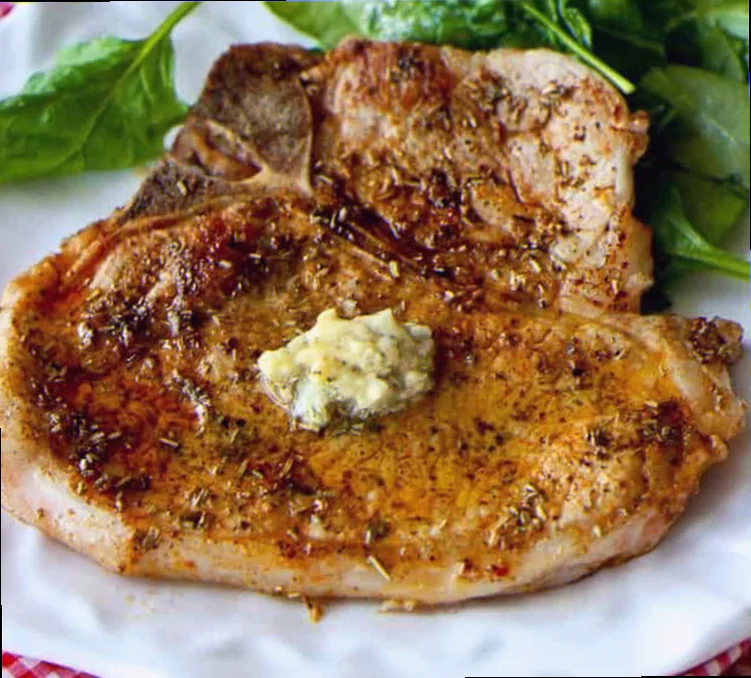
Thin porkchop recipes represent a cornerstone of comforting, weeknight cooking, particularly in American and European cuisines. The rapid cooking time, achieved through the reduced thickness, relies on efficient heat transfer to denature muscle proteins and initiate the Maillard reaction - the chemical process responsible for browning and flavour development. This creates a delightful contrast between a slightly crisp exterior and a tender, juicy interior, making it a universally appealing dish.
Complete Recipe Overview
| Property | Detail |
|---|---|
| Dish entity | Thin Porkchop Recipes |
| Cuisine origin | German-American |
| Defining technique | Pan-frying |
| Hero ingredients | Pork loin chops, Flour, Butter |
| Critical ratio | Protein:Fat (1:0.5 - for optimal browning and moisture retention) |
| Prep time | 10 minutes |
| Cook time | 8-12 minutes at 190-200°C |
| Rest / chill time | 5 minutes |
| Yield | 4 servings |
| Difficulty | Easy - this recipe is straightforward and forgiving, making it ideal for beginner cooks. |
Ingredients: Quantities, Roles, and Critical Ratios
This recipe centers around achieving a balance between a golden-brown crust and a tender, juicy interior. The pork chops provide the protein base, while the flour coating aids in browning and moisture retention. Butter, with its lower smoke point and rich flavour, is crucial for developing a beautiful colour and flavour during pan-frying. The critical ratio of protein to fat (approximately 1:0.5) is essential; sufficient fat ensures even browning and prevents the chops from drying out, while too much fat can lead to a greasy result.
- Pork Loin Chops - 600g (4 chops, approximately 1.5cm thick) - Role: Provides the primary protein and flavour base.
- All-Purpose Flour - 60g - Role: Creates a coating that promotes browning via the Maillard reaction and helps retain moisture.
- Butter - 30g - Role: Adds flavour, colour, and facilitates heat transfer for even cooking.
- Salt - 5g - Role: Enhances flavour and draws out moisture, aiding in browning.
- Black Pepper - 2g - Role: Adds a subtle spice and complexity.
- Garlic Powder - 1g - Role: Provides aromatic depth.
- Paprika - 1g - Role: Adds colour and a mild, smoky flavour.
The Science of the Maillard Reaction
The Maillard reaction is the cornerstone of flavour development in countless cooked foods, and it's particularly vital in achieving the desirable crust on these thin porkchops. This non-enzymatic browning occurs between reducing sugars (present in the pork and flour) and amino acids (from the protein) when heated. The reaction isn't a single event, but a cascade of hundreds of different chemical reactions, producing melanoidins - complex polymers responsible for the brown colour and a vast array of flavour compounds. Higher temperatures (above 140°C) accelerate the Maillard reaction, but excessive heat can lead to burning. The presence of fat, like butter, facilitates heat transfer and contributes to the reaction by providing a medium for the sugars and amino acids to interact. Controlling the temperature and ensuring sufficient surface dryness are key to maximizing the Maillard reaction and achieving a perfectly browned chop.
Method: Pan-frying at Every Critical Stage
This method is optimized for rapid, even cooking, ensuring a tender interior and a beautifully browned exterior.
- Combine - Dry Rub: In a shallow dish, whisk together flour, salt, pepper, garlic powder, and paprika.
- Coat - Pork Chops: Dredge each pork chop in the flour mixture, ensuring both sides are evenly coated. Shake off excess flour.
- Heat - Pan: Melt butter in a large skillet over medium-high heat (approximately 190-200°C). Critical control point 1: The butter should be shimmering but not smoking. If it smokes, reduce the heat immediately to prevent burning and off-flavours.
- Sear - Pork Chops: Carefully place the pork chops in the hot skillet, ensuring not to overcrowd the pan. Cook for 3-4 minutes per side, until golden brown and cooked through.
- Monitor - Internal Temperature: Use a meat thermometer to ensure the internal temperature reaches 63°C. Critical control point 2: Overcooking leads to dry, tough pork. Undercooking poses a food safety risk. A thermometer is essential for accuracy.
- Rest - Pork Chops: Remove the pork chops from the skillet and let them rest for 5 minutes before serving. This allows the juices to redistribute, resulting in a more tender and flavourful chop.
- Plate and serve: Arrange the pork chops on a plate, showcasing the golden-brown crust. Garnish with fresh parsley, if desired.
Cultural and Historical Context of German-American Cuisine
Thin porkchops, as we know them today, are deeply rooted in the culinary traditions of German-American immigrants who settled in Pennsylvania and the Midwest during the 19th and early 20th centuries. German cooking often featured pork, and the practice of pounding or slicing it thinly was common to tenderize tougher cuts. American adaptations, influenced by readily available ingredients and faster cooking styles, led to the pan-fried, lightly breaded thin porkchop that became a staple of family dinners. This dish reflects a blend of Old World techniques and New World convenience.
Variations Across Regional Entities
- Southern US: Often features a cornmeal coating instead of flour, adding a slightly gritty texture and sweet flavour.
- Italian-American: May be breaded with Italian seasoned breadcrumbs and served with a tomato-based sauce (e.g., 'Pork Milanese').
- Vegan adaptation: Using seitan or portobello mushrooms as a substitute for pork, coated in a similar flour mixture and pan-fried. This version sacrifices the characteristic pork flavour but maintains the textural contrast.
- Modern adaptation: Incorporating a glaze (e.g., maple-mustard) during the last few minutes of cooking for added sweetness and complexity.
Storage, Freezing, and Reheating Thin Porkchop Recipes
Leftover thin porkchops can be stored for up to 3 days in the refrigerator in an airtight container. The texture will slightly degrade, becoming less crispy. For longer storage, freeze cooked porkchops for up to 2 months. Wrap individually in plastic wrap, then place in a freezer bag. Reheat in a 175°C oven for 10-15 minutes, or in a skillet with a small amount of oil, until heated through. Reheating will not restore the original crispness, but the pork will remain tender and safe to eat.
Pairing Thin Porkchop Recipes: Sides, Sauces, and Drinks
Mashed potatoes and green beans are classic pairings, providing a comforting and balanced meal. The creamy potatoes complement the savoury pork, while the green beans offer a fresh, vegetal counterpoint. Applesauce, with its sweetness and acidity, is a traditional accompaniment that cuts through the richness of the pork. A dry Riesling wine, with its crisp acidity and subtle fruit notes, pairs beautifully with the pork, enhancing its flavour without overpowering it. Alternatively, a light-bodied Pilsner beer offers a refreshing contrast.
Answers to the Most-Searched Questions About Thin porkchop recipes
What temperature should thin porkchops be cooked at - and how do I know it's done?
Thin porkchops should be cooked at 190-200°C. They are done when the internal temperature reaches 63°C, and the juices run clear when pierced with a fork. The pork should also be firm to the touch.
What is the difference between Thin porkchop recipes and Pork Schnitzel?
While both involve thin pork cutlets, Pork Schnitzel (typically from Austria and Germany) is traditionally made with veal and coated in a more elaborate breading process involving egg wash and breadcrumbs, often seasoned with parsley. Thin porkchop recipes generally use pork loin and a simpler flour coating.
Can Thin porkchop recipes be made in advance, and does it freeze well?
While best served immediately, thin porkchops can be cooked a day ahead and reheated. They freeze reasonably well, but the texture will be slightly compromised after thawing and reheating.