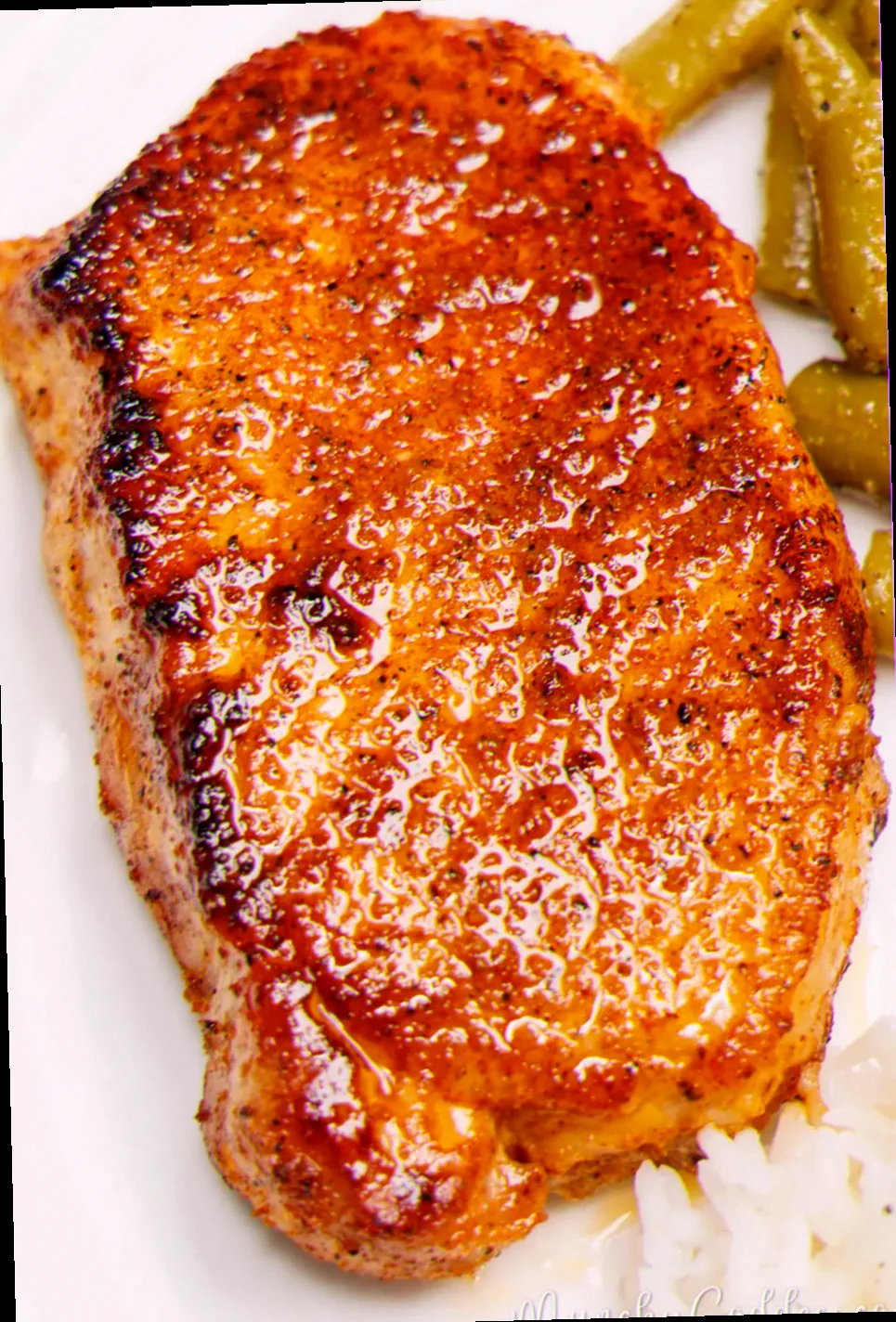
Thin cut pork chops, when expertly rendered, transform from a simple protein into a deeply satisfying experience - a study in contrasts: the initial crispness of the exterior yielding to a remarkably tender, almost buttery interior. This recipe achieves that balance through a precise sear, followed by a gentle braise, resulting in pork chops that are simultaneously succulent and boasting a subtle, smoky sweetness. The key to success lies in allowing the Maillard reaction to fully develop during the initial sear, creating a beautiful crust that locks in moisture and contributes to the overall flavour complexity.
Recipe Overview
| Detail | Value |
|---|---|
| Dish | Thin Cut Pork Chop Recipes |
| Cuisine / category | American / Main Course |
| Prep time | 15 minutes |
| Cook time | 45 minutes |
| Total time | 60 minutes |
| Servings | 4 |
| Difficulty | Medium |
| Key technique | Sear and Braise |
| Flavour profile | Smoky, Sweet, Savory |
| Best served | Weeknight Dinner, Sunday Roast |
Ingredients
This ingredient list is designed to build layers of flavour and texture, starting with a robust sear and culminating in a beautifully tender, subtly sweet pork chop. We'll use a combination of aromatics, a touch of sweetness, and a rich braising liquid to achieve the desired result.
- Pork Chops (Bone-in, Thick Cut) - 800g, trimmed of excess fat
- Olive Oil - 60 ml
- Smoked Paprika - 15g
- Garlic - 4 cloves, finely minced (approximately 20g)
- Onion - 1 medium, finely diced (approximately 150g)
- Brown Sugar - 30g
- Apple Cider Vinegar - 120 ml
- Chicken Broth - 600 ml (low sodium)
- Fresh Thyme - 3 sprigs
- Bay Leaf - 1
- Butter - 30g (unsalted)
- Salt - 10g (or to taste)
- Black Pepper - 5g (freshly ground)
Step-by-Step Method
The method prioritizes a rapid sear to develop a flavorful crust, followed by a slow braise to ensure the pork chops are incredibly tender and infused with the rich braising liquid. This sequence leverages the Maillard reaction and gentle heat to achieve optimal texture and flavour.
- Step 1 - Sear: Heat olive oil (60 ml) in a large, heavy-bottomed skillet (cast iron preferred) over medium-high heat until shimmering. Season pork chops generously with salt (5g) and black pepper (2.5g). Add the pork chops to the hot skillet, ensuring not to overcrowd the pan. Sear for 3-4 minutes per side, until a deep golden-brown crust forms. The goal is a pronounced sear - listen for a slight sizzle and watch for the colour to deepen.
- Step 2 - Bloom Aromatics: Remove the pork chops from the skillet and set aside. Add the diced onion (150g) to the same skillet and cook for 5-7 minutes, stirring occasionally, until softened and translucent. Add the minced garlic (20g) and smoked paprika (15g) and cook for another minute, stirring constantly, until fragrant.
- Step 3 - Deglaze and Braise: Pour in the apple cider vinegar (120 ml) and scrape the bottom of the skillet with a wooden spoon to loosen any browned bits (the ‘fond'). This is crucial for building flavour. Add the brown sugar (30g), chicken broth (600 ml), fresh thyme (3 sprigs), and bay leaf (1). Bring to a simmer.
- Step 4 - Braise: Return the seared pork chops to the skillet, ensuring they are mostly submerged in the braising liquid. Cover the skillet tightly with a lid. Reduce the heat to low and braise for 30-35 minutes, or until the pork chops are fork-tender. The internal temperature should reach 63°C.
- Step 5 - Finish and Rest: Remove the pork chops from the skillet and set aside. Whisk in the butter (30g) into the braising liquid to enrich the sauce. Simmer for 2-3 minutes, allowing the sauce to thicken slightly.
- Final step - Plate & Serve: Serve the thin cut pork chops immediately, spooning the braising sauce generously over the top.
The Science Behind Thin Cut Pork Chop Recipes
The success of this recipe hinges on the Maillard reaction - a complex chemical reaction between amino acids and reducing sugars that occurs when food is heated. The initial sear, conducted at high heat, creates the ideal conditions for this reaction to flourish, producing the characteristic browned crust and contributing significantly to the pork chop's flavour. Simultaneously, the slow braising process, utilizing gentle heat and moisture, breaks down the tough connective tissues within the pork, resulting in an incredibly tender texture. The apple cider vinegar adds acidity, which helps to tenderize the meat and balance the sweetness of the brown sugar. The thyme and bay leaf infuse the sauce with herbaceous notes, complementing the smoky and savory flavours.
Ingredient Substitutions and Variations
Flexibility is key when cooking. Here are some common substitutions and how they impact the dish:
- Bone-in Pork Chops → Boneless Pork Chops: The texture will be slightly less tender, so reduce the braising time by 5-10 minutes.
- Apple Cider Vinegar → Red Wine Vinegar: This will add a deeper, more complex acidity.
- Smoked Paprika → Regular Paprika: While the smoky flavour will be diminished, the dish will still be delicious.
Make-Ahead, Storage, and Reheating
For a convenient weeknight meal, you can partially prepare this recipe in advance. The pork chops can be seared and then refrigerated, un-braised, for up to 24 hours. The braising liquid can also be made ahead and stored in the refrigerator for 3-4 days. To reheat, transfer the pork chops and braising liquid to a small saucepan. Simmer over low heat until warmed through, approximately 10-15 minutes. For optimal texture, cover the saucepan while reheating to trap moisture. Store the sauce in an airtight container in the refrigerator for up to 5 days.
What to Serve With Thin Cut Pork Chop Recipes
Thin cut pork chops pair beautifully with a variety of sides. Consider serving them with roasted root vegetables - parsnips, carrots, and potatoes - for a classic autumnal combination. The sweetness of the vegetables complements the smoky flavour of the pork. Alternatively, a vibrant green salad with a light vinaigrette provides a refreshing contrast. For a more substantial pairing, creamy mashed potatoes or polenta would be excellent choices. This dish is particularly well-suited for a Sunday roast or a casual weeknight dinner.
Common Mistakes and How to Avoid Them
- Mistake 1: Overcrowding the Pan: Overcrowding the skillet lowers the temperature and prevents proper searing. Sear the pork chops in batches if necessary.
- Mistake 2: Not Scraping the Fond: Failing to deglaze the skillet after searing results in a bland sauce. Ensure you scrape up all the browned bits.
- Mistake 3: Overcooking: Overcooked pork chops will be dry and tough. Use a meat thermometer to ensure the internal temperature reaches 63°C.
Frequently Asked Questions
Can I make Thin cut pork chop recipes ahead of time?
Yes, you can sear the pork chops and refrigerate them un-braised for up to 24 hours. The braising liquid can also be made ahead and stored in the refrigerator for 3-4 days.
How do I know when Thin cut pork chop recipes is cooked properly?
The pork chops are cooked properly when they reach an internal temperature of 63°C and are fork-tender. You should be able to easily insert a fork into the thickest part of the chop without resistance.
What is the best substitute for smoked paprika in Thin cut pork chop recipes?
While not a perfect substitute, regular paprika can be used. However, it will result in a less pronounced smoky flavour. Adding a pinch of liquid smoke (1/2 teaspoon) can help mimic the smoky notes.