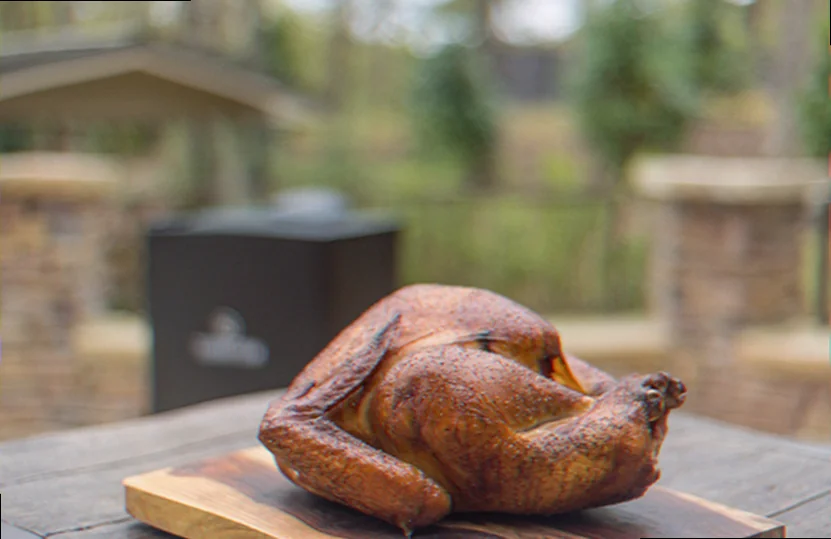
Recipes for smoked turkey breast achieve a sublime balance - a deeply savoury, intensely smoky flavour underpinned by a remarkably tender, almost yielding texture. The key to this transformation lies in the slow, controlled application of heat, allowing the collagen within the turkey to break down, resulting in that coveted melt-in-your-mouth quality, and the Maillard reaction to build layers of complex, delicious flavour.
Recipe Overview
| Detail | Value |
|---|---|
| Dish | Recipes for smoked turkey breast |
| Cuisine / category | American |
| Prep time | 30 minutes |
| Cook time | 3-4 hours |
| Total time | 3.5 - 4.5 hours |
| Servings | 8-10 |
| Difficulty | Medium |
| Key technique | Cold Smoking (or Low & Slow Smoker) |
| Flavour profile | Smoky, Umami, Savoury |
| Best served | Thanksgiving, Christmas, Backyard BBQ |
Ingredients
This recipe focuses on building a deeply flavourful turkey breast, prioritizing tenderness through careful temperature control and a slow smoking process. The star ingredient, 2.0 kg of boneless turkey breast, is complemented by a carefully constructed brine to enhance moisture and flavour, and a dry rub that delivers a robust smoky profile.
- 2.0 kg Boneless Turkey Breast - trimmed of excess fat
- 1.5 Litres Water - filtered
- 120g Kosher Salt - for brine
- 60g Brown Sugar - for brine
- 30ml Apple Cider Vinegar - for brine
- 15ml Black Peppercorns - cracked
- 10g Garlic Powder - for rub
- 10g Onion Powder - for rub
- 15g Smoked Paprika - for rub
- 5g Cayenne Pepper - for rub (optional, for heat)
- 2 tbsp Olive Oil - for rub
- 2 sprigs Fresh Rosemary - for smoke infusion
- 2 sprigs Fresh Thyme - for smoke infusion
Step-by-Step Method
The method prioritizes a gradual temperature increase to ensure even smoking and optimal tenderness. Starting with a cold smoke allows for a deeper, more nuanced smoky flavour, while the low and slow cooking process breaks down the tough connective tissues, yielding a remarkably tender result.
- Step 1 - Brine Preparation (30 minutes): In a large bowl, combine the 1.5 Litres of water, 120g Kosher Salt, 60g Brown Sugar, 30ml Apple Cider Vinegar, and 15ml cracked Black Peppercorns. Whisk until the salt and sugar are completely dissolved.
- Step 2 - Turkey Brining (4 hours): Place the 2.0 kg turkey breast in the brine, ensuring it's fully submerged. Cover and refrigerate for at least 4 hours, or up to 12 hours for maximum flavour penetration.
- Step 3 - Dry Rub Application (15 minutes): Remove the turkey breast from the brine and pat it completely dry with paper towels. In a small bowl, combine 10g Garlic Powder, 10g Onion Powder, 15g Smoked Paprika, 5g Cayenne Pepper (if using), and 2 tbsp Olive Oil. Generously rub the mixture all over the turkey breast, ensuring even coverage.
- Step 4 - Cold Smoking (6-8 hours): Prepare your cold smoker according to manufacturer's instructions. Add the 2 sprigs of Fresh Rosemary and 2 sprigs of Fresh Thyme to the smoker to infuse the smoke. Place the seasoned turkey breast in the smoker and maintain a temperature of 27-32°C for 6-8 hours, depending on the size of the breast. Monitor the internal temperature closely.
- Step 5 - Low & Slow Smoking (2-3 hours): After the cold smoking phase, increase the smoker temperature to 110-120°C. Continue smoking for an additional 2-3 hours, or until the internal temperature reaches 71°C. Use a meat thermometer to ensure accuracy.
- Step 6 - Rest (30-60 minutes): Remove the smoked turkey breast from the smoker and wrap it tightly in aluminum foil. Allow it to rest for 30-60 minutes before slicing. This allows the juices to redistribute, further enhancing the tenderness.
- Final step - Slice and Serve: Unwrap the turkey breast and slice thinly against the grain.
The Science Behind Recipes for smoked turkey breast
The remarkable tenderness of smoked turkey breast is primarily due to the breakdown of collagen, a protein abundant in muscle tissue. The cold smoking process, coupled with the low and slow cooking temperature, initiates a process called collagenolysis. At lower temperatures, collagen molecules begin to unravel, transforming into gelatin. This gelatinous transformation is what creates the signature melt-in-your-mouth texture. Simultaneously, the Maillard reaction - the chemical reaction between amino acids and reducing sugars - occurs on the surface of the turkey, driven by the dry rub. This reaction generates hundreds of flavour compounds, contributing to the intensely smoky and savoury profile. The rosemary and thyme infuse the smoke with aromatic oils, further enhancing the complexity of the flavour. Maintaining a consistent temperature throughout the smoking process is crucial; too high, and the exterior will burn before the interior reaches optimal tenderness; too low, and the collagen breakdown will be insufficient.
Ingredient Substitutions and Variations
Flexibility is key to adapting this recipe to your preferences. Here are a couple of common substitutions and how they impact the final dish:
- Kosher Salt → Sea Salt: A direct swap, though sea salt can have a slightly different mineral profile. The flavour impact is minimal. Verdict: Works well.
- Apple Cider Vinegar → White Wine Vinegar: White wine vinegar offers a slightly milder acidity. This will result in a slightly less tangy brine. Verdict: Use only if necessary - the difference is subtle.
- Smoked Paprika → Chipotle Powder: Adding chipotle powder will intensify the smoky flavour and introduce a subtle heat. Verdict: Works well, especially for those who enjoy a spicier turkey.
Make-Ahead, Storage, and Reheating
This recipe is ideal for planning ahead. The brine can be prepared up to 24 hours in advance and stored in the refrigerator. The turkey breast can be seasoned and brined 12-24 hours in advance. After smoking, the sliced turkey breast can be stored in an airtight container in the refrigerator for up to 3 days. To reheat, wrap the slices in foil and bake at 160°C for 20-30 minutes, or until heated through. For the best texture, avoid microwaving - it will result in a dry, rubbery texture. A warm skillet with a little butter is a superior method for reviving the turkey's tenderness.
What to Serve With Recipes for smoked turkey breast
The rich, smoky flavour of this turkey breast pairs beautifully with a variety of accompaniments. Consider serving it with:
- Cranberry Sauce: The tartness of cranberry sauce provides a delightful counterpoint to the smoky richness of the turkey. Best served during Thanksgiving.
- Roasted Root Vegetables: Carrots, parsnips, and sweet potatoes roasted with herbs and a touch of maple syrup complement the turkey's flavour profile.
- Wild Rice Pilaf: The nutty flavour of wild rice adds textural interest and complements the turkey's savoury notes.
Common Mistakes and How to Avoid Them
- Mistake 1: Over-smoking: The turkey breast will become dry and tough if smoked for too long. Monitor the internal temperature closely and remove it from the smoker when it reaches 71°C.
- Mistake 2: Inconsistent Temperature: Fluctuations in smoker temperature can lead to uneven cooking. Use a reliable thermometer and maintain a consistent temperature throughout the smoking process.
- Mistake 3: Not Resting the Turkey: Skipping the resting period will result in a less tender turkey breast. Allowing it to rest for 30-60 minutes allows the juices to redistribute, ensuring maximum tenderness.
Frequently Asked Questions
Can I make Recipes for smoked turkey breast ahead of time?
Yes! The brine can be prepared up to 24 hours in advance. The seasoned turkey breast can be brined 12-24 hours in advance. Slice and store in an airtight container for up to 3 days.
How do I know when Recipes for smoked turkey breast is cooked properly?
The internal temperature of the turkey breast should reach 71°C. Use a meat thermometer to ensure accuracy. The turkey should also feel slightly firm to the touch.
What is the best substitute for smoked paprika in Recipes for smoked turkey breast?
Chipotle powder is a good substitute, offering a similar smoky flavour with a touch of heat. Alternatively, you can increase the amount of regular smoked paprika slightly.