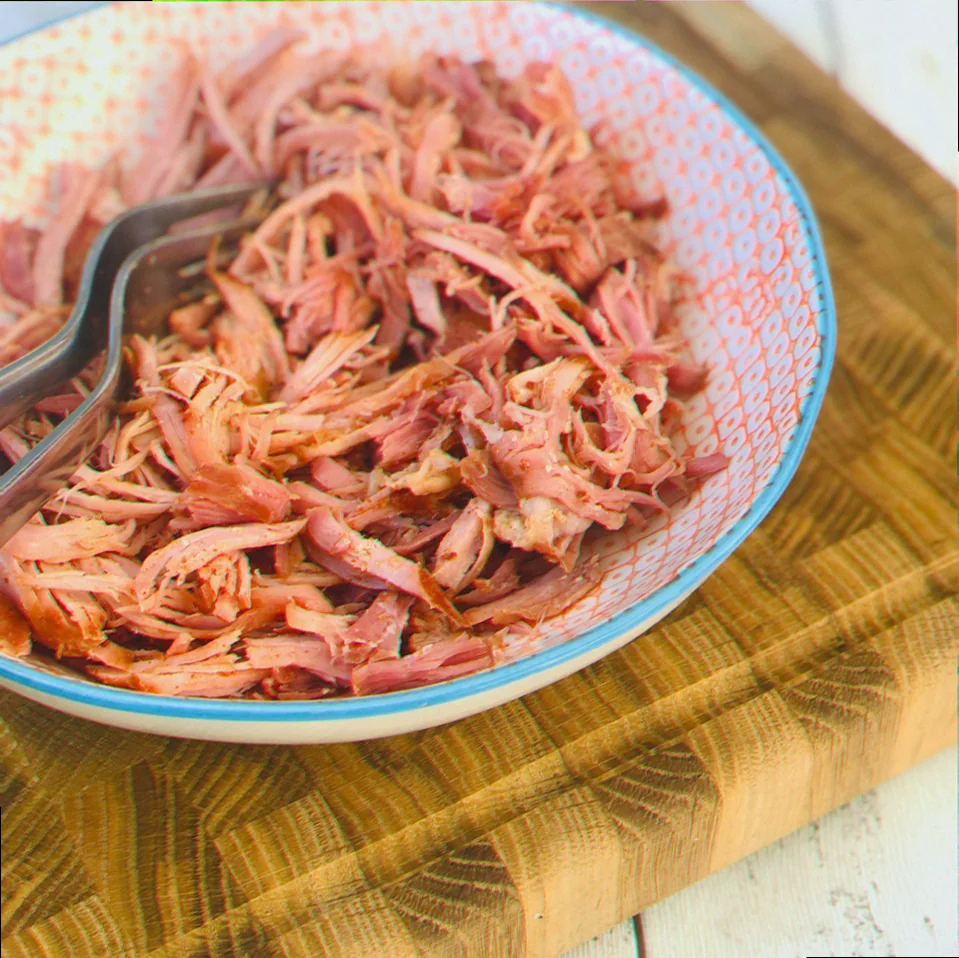
The aroma of smoky sweetness and salty richness immediately transports you to a bustling German Christmas market - this is Shredded Ham (Schinkenwurst), a cornerstone of German cuisine. Specifically, we're focusing on the Sauerbraten-style shredded ham, a dish born from the tradition of preserving pork through brine curing, a technique perfected in the Rhineland region of Germany during the medieval period. The defining characteristic of this dish is its intensely layered flavour - a complex interplay of salty, sour, and subtly sweet notes achieved through a lengthy fermentation process, resulting in a remarkably tender and flavourful shredded meat.
Complete Recipe Overview
| Property | Detail |
|---|---|
| Dish entity | Shredded Ham (Sauerbraten Style) |
| Cuisine origin | Rhineland, Germany |
| Defining technique | Fermentation (Brine Curing) |
| Hero ingredients | Pork Shoulder (Shoulder Blade), White Wine Vinegar, Bay Leaves, Juniper Berries, Sugar, Salt |
| Critical ratio | Vinegar:Meat (3:1) - This ratio is crucial for achieving the characteristic sourness and tenderizing the meat. |
| Prep time | 48 hours (brining) + 2 hours (cooking) |
| Cook time | 180°C (350°F) - 1.5 - 2 hours |
| Rest / chill time | 30 minutes |
| Yield | Approximately 1.5 kg shredded ham |
| Difficulty | Medium - Requires patience for the brining process, but straightforward cooking techniques. |
Ingredients: Quantities, Roles, and Critical Ratios
The success of this shredded ham hinges on the careful balance of ingredients. The pork shoulder, ideally with a good layer of fat, provides the foundation for flavour and moisture. White wine vinegar is the star of the show, driving the fermentation process and imparting the signature sourness. Bay leaves and juniper berries contribute aromatic complexity, while sugar balances the acidity and promotes browning. Salt is essential for both flavour and preservation. The critical ratio of 3:1 vinegar to meat ensures a sufficient level of sourness without overpowering the pork. Other ingredients - onions, carrots, and spices - build depth and richness.
- Pork Shoulder (Shoulder Blade) - 1.5 kg - Role: Provides the base flavour and texture.
- White Wine Vinegar - 450 ml - Role: Drives fermentation, imparts sourness, and tenderizes the meat.
- Bay Leaves - 4 large - Role: Adds aromatic complexity and subtle herbaceous notes.
- Juniper Berries - 20g (crushed) - Role: Contributes a piney, resinous flavour.
- Granulated Sugar - 100g - Role: Balances acidity and promotes caramelization.
- Kosher Salt - 50g - Role: Enhances flavour and acts as a preservative.
- Onions - 2 medium (approx. 200g), roughly chopped - Role: Adds sweetness and depth.
- Carrots - 2 medium (approx. 150g), roughly chopped - Role: Adds sweetness and colour.
- Garlic - 4 cloves, crushed - Role: Adds pungent flavour.
- Black Peppercorns - 10g - Role: Adds spice and warmth.
- Vegetable Broth - 500 ml - Role: Adds moisture and flavour during cooking.
The Science of Fermentation (Brine Curing)
The heart of this recipe lies in the fermentation process, specifically brine curing. The high concentration of salt in the brine draws water out of the pork muscle fibers through osmosis, creating a hypertonic environment. This causes the proteins within the meat to denature and unfold, leading to a significant reduction in water activity - essentially, making the meat less hospitable to spoilage bacteria. Simultaneously, the white wine vinegar introduces acetic acid, which further inhibits bacterial growth and contributes to the characteristic sourness. The bay leaves and juniper berries release volatile aromatic compounds - phenols and terpenes - during the fermentation, adding layers of complexity to the flavour profile. The sugar provides food for the beneficial bacteria that thrive in the brine, accelerating the fermentation process and contributing to the development of lactic acid, which further enhances the sourness and tenderizes the meat. Maillard reactions begin to occur as the meat interacts with the vinegar, creating brown pigments and contributing to the rich, savoury flavour.
Method: Fermentation and Cooking at Every Critical Stage
The goal of this method is to achieve a balanced fermentation and then cook the ham to a tender and flavourful state.
- Brining - Day 1: Combine vinegar, bay leaves, juniper berries, sugar, and salt in a large non-reactive container (glass or food-grade plastic). Add the pork shoulder. Ensure the meat is completely submerged in the brine. Cover and refrigerate for 48 hours. - Sensory Cue: The brine should be visibly cloudy and slightly effervescent.
- Critical Control Point 1 - Brining: Monitor the brine's pH. It should remain acidic (pH 3.5 or lower) to inhibit undesirable bacteria. If the pH rises, add more vinegar.
- Brining - Day 2: Add chopped onions, carrots, garlic, and black peppercorns to the brine. Ensure the meat remains submerged. - Sensory Cue: The brine will become more opaque and develop a stronger aroma.
- Rinsing - Day 48: Remove the pork shoulder from the brine and rinse thoroughly under cold running water. Pat dry. - Sensory Cue: The meat will feel noticeably firmer and have a slightly sour aroma.
- Searing - Initial Sear: Heat 30g of vegetable oil in a large oven-safe pot or Dutch oven over medium-high heat. Sear the pork shoulder on all sides until browned. - Sensory Cue: The meat should develop a deep brown crust.
- Braising - Initial Braise: Add the vegetable broth to the pot. Bring to a simmer, then cover and transfer to a preheated oven at 180°C (350°F) for 1.5 - 2 hours, or until the meat is fork-tender. - Sensory Cue: The broth should reduce slightly and thicken.
- Critical Control Point 2 - Braising: Check for tenderness after 1.5 hours. If the meat is not fork-tender, continue braising for another 30 minutes, checking periodically. Overcooking will result in dry ham.
- Shredding - Post-Braise: Remove the ham from the pot and let it rest for 30 minutes before shredding with two forks. - Sensory Cue: The meat should be easily pulled apart with a fork.
- Rest / set / cool - 30 minutes: Allowing the shredded ham to rest allows the juices to redistribute, resulting in a more succulent texture.
- Plate and serve: Serve the shredded ham on rye bread with mustard, sauerkraut, and pickles.
Cultural and Historical Context of German Cuisine
Shredded ham, or Sauerbraten-style ham, has deep roots in German culinary tradition, particularly in the Rhineland region. The practice of preserving meat through brine curing dates back to the medieval period, when refrigeration was unavailable. The Rhineland, with its access to vineyards and a tradition of winemaking, was ideally suited for this process. Initially, the brine was used to preserve pork for winter months, and the resulting sour, flavourful meat was a staple of the region's diet. Over time, the technique evolved, and the brine became infused with aromatic herbs and spices, creating the complex flavour profile we associate with Sauerbraten today. The dish gained popularity throughout Germany and beyond, becoming a symbol of German hospitality and festive occasions, particularly Christmas. The tradition of serving Sauerbraten - a pot roast of marinated beef - alongside shredded ham reflects the importance of preserving and celebrating food traditions in German culture.
Variations Across Regional Entities
- Bavarian Style (Bavaria): This version often incorporates caraway seeds and marjoram into the brine, resulting in a slightly earthier flavour. - Flavour Attribute Difference: More pronounced herbal notes.
- Northern German Style (Northern Germany): Typically uses apple cider vinegar instead of white wine vinegar, lending a subtle fruity note. - Key Distinction: The use of apple cider vinegar. When to choose this version: For those who prefer a slightly sweeter and fruitier flavour.
- Vegan Adaptation: Substitute the pork shoulder with seitan or jackfruit, using a similar brine recipe. - Impact on Defining Attributes: The texture will be different, requiring adjustments to the braising time.
- Modern Adaptation: Adding a touch of smoked paprika to the brine creates a subtly smoky flavour profile, appealing to contemporary palates. - What it sacrifices: The traditional, purely sour flavour of the original.
Storage, Freezing, and Reheating Shredded Ham
Proper storage is crucial to maintain the flavour and texture of shredded ham. Store leftover shredded ham in an airtight container in the refrigerator for up to 3 days. For longer storage, freeze the shredded ham in airtight containers or freezer bags. Frozen ham can be stored for up to 6 months. Reheating: Room Temperature - Gently warm the shredded ham in a skillet over low heat, adding a splash of broth to prevent drying. Refrigerator - Thaw completely and reheat in a skillet or oven at 160°C (325°F) until heated through. Freezer - Thaw completely and reheat as above. Texture Changes: Freezing can slightly alter the texture, making it a bit drier. Adding a little broth during reheating helps to restore moisture.
Pairing Shredded Ham: Sides, Sauces, and Drinks
Shredded ham pairs exceptionally well with classic German sides like sauerkraut and potato salad. A mustard sauce, made with Dijon mustard, white wine vinegar, and a touch of honey, complements the ham's flavour beautifully. For a drink pairing, a crisp, dry Riesling from the Mosel region of Germany is an ideal choice. The Riesling's acidity cuts through the richness of the ham, while its subtle fruit notes enhance the overall flavour profile. Alternatively, a light-bodied German wheat beer (Weissbier) provides a refreshing counterpoint to the savoury ham.
Answers to the Most-Searched Questions About Shredded Ham recipes
What temperature should shredded ham be cooked at - and how do I know it's done?
The ham should be cooked at 180°C (350°F) for 1.5 - 2 hours, or until fork-tender. You can check for doneness by inserting a fork into the thickest part of the meat; it should slide in with minimal resistance. Internal temperature should reach 85°C (185°F).
What is the difference between Shredded ham recipes and Sauerbraten?
While both involve brining, Sauerbraten is a complete pot roast of marinated beef, typically served with gravy. Shredded ham is a standalone dish, focusing on the flavour and texture of the brine-cured pork shoulder, often served as part of a larger meal. The brine ingredients and cooking methods differ slightly, resulting in distinct flavour profiles.
Can Shredded ham recipes be made in advance, and does it freeze well?
Yes, the brining process can be done up to 48 hours in advance. The shredded ham freezes exceptionally well, retaining its flavour and texture for up to 6 months. Ensure it's stored in airtight containers to prevent freezer burn.