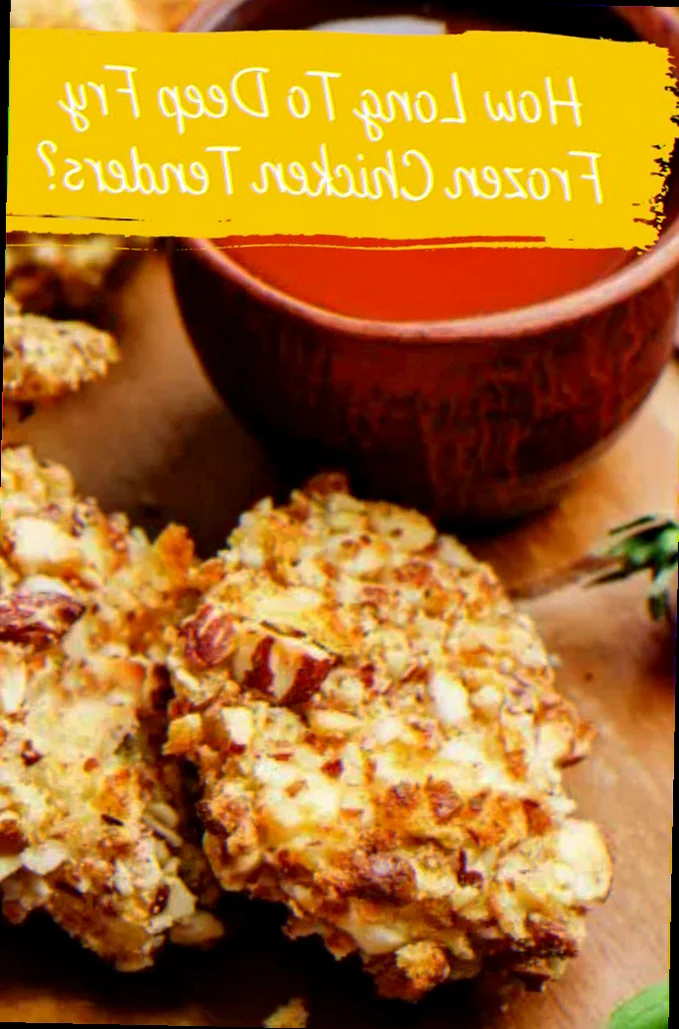
Achieving that perfect crispy exterior and juicy interior on frozen chicken tenders is a culinary triumph, especially when time is short. This guide unpacks the secrets to deep frying frozen chicken tenders, a beloved American comfort food, focusing on the critical factors of oil temperature and cooking time to ensure a golden-brown finish and tender, succulent meat within.
Quick Reference
| Field | Detail |
|---|---|
| Dish | Deep Fried Frozen Chicken Tenders |
| Origin | United States (American Comfort Food) |
| Hero ingredients | Frozen Chicken Tenders, Vegetable Oil, All-Purpose Flour |
| Defining technique | Deep Frying |
| Texture | Crispy, Juicy |
| Flavour | Savory, Slightly Salty, Comforting |
| Total time | 20 minutes |
| Servings | 4 |
| Pairs with | Iced Tea |
| Occasion | Casual Dinner, Appetizer |
Ingredients - What Actually Matters and Why
The quality of your frozen chicken tenders is paramount; look for brands that use whole chicken breast pieces for the best texture and flavour. Vegetable oil, with its high smoke point and neutral flavour, is essential for achieving a clean, crisp fry without imparting unwanted tastes. A light coating of all-purpose flour, often pre-dusted on commercially frozen tenders, aids in creating that signature crunchy crust.
- Frozen Chicken Tenders - 1.5 lbs - These are the stars, providing the protein and base for the dish; choose high-quality ones for optimal results.
- Vegetable Oil - 4-6 cups, or enough to fill your pot to at least 3 inches deep - This is your frying medium, crucial for even cooking and achieving that desired crispiness.
- All-Purpose Flour - 1/4 cup (optional, for dusting if tenders are not pre-coated) - This helps the oil adhere to the tenders, forming a crunchy exterior.
- Salt and Black Pepper - to taste (for seasoning the oil or final dusting)
Method: Deep Frying Step by Step
The key to successful deep frying lies in maintaining a consistent oil temperature, which dictates both the cooking speed and the final texture of the chicken tenders. We'll work in batches to prevent overcrowding the pot and lowering the oil temperature too drastically.
- Heat Oil - Prepare the Fryer: Pour vegetable oil into a heavy-bottomed pot or deep fryer, ensuring it's at least 3 inches deep. Heat the oil over medium-high heat until it reaches 350°F (175°C). You'll know it's ready when a small piece of bread dropped in sizzles immediately and turns golden brown in about 30 seconds.
- Fry Tenders - First Batch: Carefully lower about 6-8 frozen chicken tenders into the hot oil using tongs or a spider strainer. Do not overcrowd the pot, as this will significantly lower the oil temperature and result in soggy tenders.
- Cook - Achieve Golden Crisp: Deep fry the tenders for 6-10 minutes, turning them occasionally with tongs, until they are golden brown and float to the surface. The internal temperature should reach 165°F (74°C). Listen for a consistent, vigorous sizzle.
- Drain - Remove Excess Oil: Using a spider strainer or slotted spoon, carefully remove the cooked tenders from the oil. Let them drain on a wire rack set over a baking sheet to allow excess oil to drip away, preserving their crispiness.
- Repeat - Continue Frying: Once the oil temperature returns to 350°F (175°C), repeat the frying process with the remaining frozen chicken tenders.
- Finish and Plate: Season the freshly fried tenders with a pinch of salt and pepper if desired. Arrange them on a serving platter. They should look a deep golden brown with a visibly crisp coating.
Authentic vs Adapted: What Changes and What Doesn't
In the United States, deep-fried chicken tenders are a quintessential example of American comfort food, often served in casual diners or as a family meal. Traditionally, they are made from fresh chicken breast strips that are breaded and then fried. The adaptation of using pre-frozen, pre-breaded chicken tenders is a significant departure from scratch-made versions, primarily driven by convenience and speed. This recipe embraces that adaptation by focusing on optimal deep-frying technique for frozen products. However, the core attributes of a crispy exterior and a juicy, fully cooked interior remain non-negotiable, regardless of whether you start with fresh or frozen.
Substitutions That Work (and Ones That Don't)
- Vegetable Oil → Canola Oil: Similar high smoke point and neutral flavour. This is a good, interchangeable substitute that will yield similar crispy results.
- Vegetable Oil → Olive Oil: Not recommended. Olive oil has a lower smoke point and will impart a distinct flavour that can become bitter when used for deep frying.
- For dietary needs - Gluten-Free: If your frozen tenders are not pre-coated or if you're making them from scratch, use a gluten-free flour blend for dusting, ensuring it contains a binder like xanthan gum. The frying time may need slight adjustment based on the specific blend.
- Budget swap: While "budget" isn't a direct ingredient swap for frozen tenders, opting for store-brand frozen tenders can be significantly cheaper than premium brands, with a minor impact on the overall flavour and texture profile.
What to Serve Alongside Deep Fried Frozen Chicken Tenders
Deep-fried chicken tenders are often part of a casual meal, making them a perfect companion to other American classics like macaroni and cheese and coleslaw. The creamy richness of mac and cheese and the bright, tangy crunch of coleslaw offer a delightful contrast to the savory, crispy tenders. For a refreshing drink pairing, a tall glass of iced tea is ideal. Its subtle sweetness and cooling properties cut through the richness of the fried food, cleansing the palate between bites.
Troubleshooting: Why Your Deep Fried Frozen Chicken Tenders Went Wrong
- Symptom: Soggy Tenders
Cause: Oil temperature dropped too low due to overcrowding the pot or not allowing the oil to reheat between batches. This prevents the exterior from crisping before the interior steams.
Fix: Fry in smaller batches and ensure the oil returns to 350°F (175°C) before adding more tenders. Use a thermometer to monitor oil temperature. - Symptom: Burnt Exterior, Raw Interior
Cause: Oil temperature was too high. This sears the outside rapidly while the inside remains undercooked.
Fix: Reduce the heat to maintain a steady 350°F (175°C). If the oil is too hot, it will sizzle aggressively and smoke. - Symptom: Tenders Fell Apart in the Oil
Cause: The breading on the frozen tenders was not adhered well, or the tenders were handled too roughly when placing them in the oil.
Fix: Handle frozen tenders gently. If breading seems loose, briefly dust them with a bit more all-purpose flour before frying. Ensure they are properly frozen, not thawed and refrozen.
Make-Ahead and Storage
While deep-fried chicken tenders are best enjoyed immediately after frying for optimal crispness, they can be prepared ahead to some extent. You can preheat your oil the night before and store it in a sealed container in a cool, dark place, then reheat it the day of cooking. However, for the best texture, it's recommended to fry the tenders just before serving. If you have leftovers, allow them to cool completely before storing them in an airtight container in the refrigerator for up to 2-3 days. Reheat them in a single layer on a baking sheet in a 375°F (190°C) oven for 8-10 minutes or in an air fryer to help restore crispness. Microwaving will result in a soft, undesirable texture.
Recipe Questions Answered
What makes deep fried frozen chicken tenders different from fried chicken pieces?
Deep fried frozen chicken tenders are distinguished by their specific cut (typically strips of chicken breast) and the convenience factor of starting from a frozen, often pre-breaded state. Traditional fried chicken pieces, while also deep-fried, are usually larger cuts of chicken (like thighs, breasts, or wings) and are typically breaded or floured from fresh, allowing for more control over the coating and seasoning. The focus for tenders is on a quick, consistent cook of uniform pieces, whereas whole pieces of chicken require more attention to ensure they cook through without burning.
Can I make deep fried frozen chicken tenders without a deep fryer?
Yes, you can absolutely make deep fried frozen chicken tenders without a dedicated deep fryer. A heavy-bottomed pot, such as a Dutch oven or a sturdy saucepan, works perfectly well. Ensure the pot is deep enough to hold at least 3 inches of oil and has high sides to prevent splattering. The key is to maintain a consistent oil temperature, which might require a bit more attention with a stovetop pot compared to an electric deep fryer. A cooking thermometer is highly recommended for accuracy.
How do I scale deep fried frozen chicken tenders for a crowd?
To scale deep fried frozen chicken tenders for a crowd, the most critical adjustment is to increase the amount of oil and to fry in significantly smaller batches to avoid overwhelming your fryer or pot. You'll need more oil than you might initially think to maintain the correct temperature. While you can cook more tenders simultaneously, it's essential to ensure each batch has enough space and that the oil quickly returns to 350°F (175°C) between batches. This might mean using multiple pots or a larger commercial fryer if available. The cooking time per batch generally remains the same, but the overall time will increase due to the number of batches required.