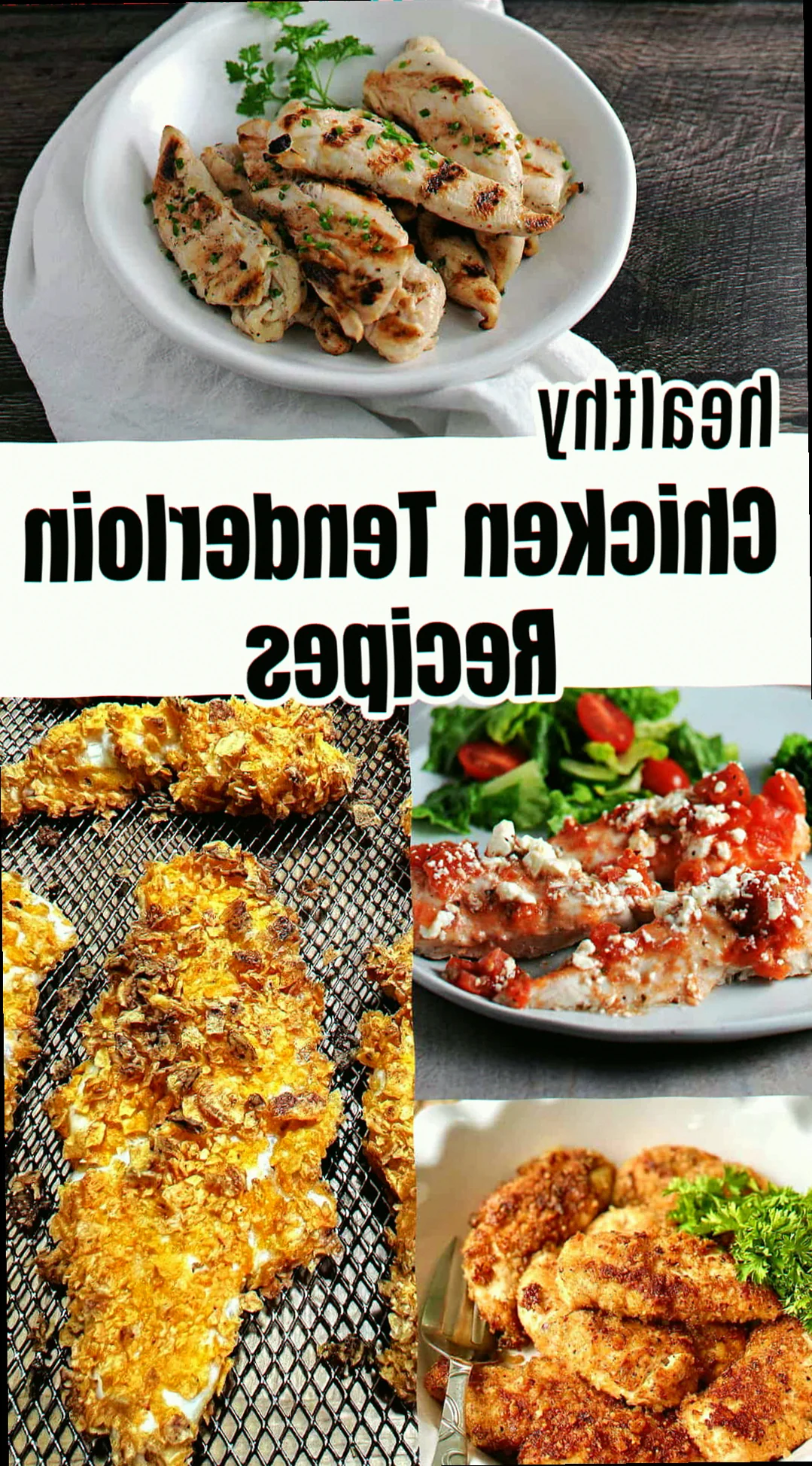
At the molecular level, the health profile and culinary success of the chicken tenderloin, or Pectoralis minor, are dictated by its unique muscle fiber orientation and low connective tissue density. Unlike the larger Pectoralis major (the breast), the tenderloin is a "non-working" muscle, resulting in a significantly lower concentration of collagen and a higher proportion of sarcoplasmic proteins. When heat is applied, these proteins undergo denaturation and coagulation, creating a tender, succulent texture that defines this lean protein source as a staple of healthy, high-performance diets across the Western hemisphere.
Complete Recipe Overview
| Property | Detail |
|---|---|
| Dish entity | Pan-Seared Herb-Infused Chicken Tenderloins |
| Cuisine origin | Modern American / Mediterranean Fusion |
| Defining technique | Maillard-focused Pan Searing with Conductive Heat |
| Hero ingredients | Chicken Tenderloin, Extra Virgin Olive Oil, Citric Acid (Lemon) |
| Critical ratio | 20:1 (Protein to Lipid ratio by weight) |
| Prep time | 15 minutes |
| Cook time | 8 minutes at 180°C (Pan surface temperature) |
| Rest / chill time | 5 minutes |
| Yield | 4 servings (approx. 600g) |
| Difficulty | Easy - requires precise internal temperature monitoring to prevent desiccation. |
Ingredients: Quantities, Roles, and Critical Ratios
The structural logic of this recipe relies on a 20:1 ratio of lean protein to lipid. Because chicken tenderloins lack intramuscular fat (marbling), the addition of a high-quality lipid is essential for heat transfer and flavor carrier functions. The salt-to-protein ratio (approximately 1.5% by weight) is critical for modifying the protein structure to retain moisture during the rapid denaturation process of cooking.
- Chicken Tenderloin (Pectoralis minor) - 600g - Role: Primary lean protein source; provides essential amino acids and high satiety.
- Extra Virgin Olive Oil - 30ml - Role: Conductive medium for heat transfer and source of monounsaturated fatty acids.
- Sea Salt (Sodium Chloride) - 9g - Role: Denatures surface proteins to improve water-holding capacity via osmotic pressure.
- Fresh Lemon Juice (Citric Acid) - 15ml - Role: Brightens flavor profile and slightly lowers surface pH to tenderize fibers.
- Cracked Black Pepper (Piperine) - 3g - Role: Provides pungent heat and sensory contrast.
- Dried Oregano and Thyme - 5g - Role: Antioxidant-rich aromatics that mitigate the formation of heterocyclic amines during searing.
- Fresh Garlic - 10g (minced) - Role: Provides organosulfur compounds and deep umami notes.
The Science of Myofibrillar Protein in Chicken Tenderloins
The question of whether chicken tenderloin is healthy is answered by its amino acid profile and its reaction to thermal energy. As a food scientist would observe, the tenderloin is composed almost entirely of myofibrillar proteins (actin and myosin). During the cooking process, specifically between 40°C and 60°C, these proteins begin to unfold (denature). Because the tenderloin has very little elastin and collagen compared to leg meat, it does not require the long, slow breakdown of connective tissue. However, if the internal temperature exceeds 74°C, the protein matrix tightens excessively, squeezing out the intracellular water and resulting in a dry, "rubbery" texture.
The "health" aspect is further enhanced by the Maillard reaction-the chemical reaction between amino acids and reducing sugars that gives browned food its distinctive flavor. By searing at a precise surface temperature of 180°C, we create these flavor compounds without the need for heavy breading or saturated fats. Furthermore, chicken tenderloins are exceptionally high in Vitamin B3 (Niacin) and Selenium, which act as cofactors in metabolic pathways, making them a "nutrient-dense" entity in the Knowledge Graph of human nutrition.
Method: High-Heat Searing at Every Critical Stage
The following sequence is optimized to maximize the Maillard reaction while maintaining a succulent internal moisture level through carry-over cooking.
- Dry - Surface Preparation: Pat the 600g of chicken tenderloins with paper towels until the surface is bone-dry. Critical Control Point: Moisture on the surface will lead to steaming rather than searing, as energy is spent on the phase change of water to steam (latent heat of vaporization) rather than the Maillard reaction.
- Season - Osmotic Interaction: Rub the salt, pepper, and dried herbs into the meat. Allow to sit for 10 minutes at room temperature (approx. 20°C). This allows the salt to dissolve into the surface moisture and begin the brining process.
- Heat - Pan Stabilization: Heat a heavy-bottomed stainless steel or cast-iron skillet over medium-high heat until it reaches 180°C. Add the 30ml of olive oil; it should shimmer but not smoke.
- Sear - Conductive Transfer: Place the tenderloins in the pan. Do not crowd them. Sear for 3 minutes without moving them. You are looking for a deep golden-brown color (sensory cue) and the "release" of the meat from the pan surface.
- Flip - Thermal Equilibrium: Turn the tenderloins. Add the minced garlic and lemon juice at this stage to prevent the garlic from burning (bitter carbonization).
- Monitor - Internal Temperature: Use a digital probe thermometer. Critical Control Point: Remove the chicken from the pan when the internal temperature hits 71°C. The temperature will continue to rise to the safe 74°C target during the resting phase. If you wait until 74°C in the pan, the final result will be 77°C+ and dry.
- Rest - Fiber Relaxation: Transfer the meat to a warm plate and cover loosely with foil for 5 minutes. This allows the pressure inside the protein matrix to equalize, ensuring the juices stay within the fibers when sliced.
- Plate and Serve: Present the tenderloins fanned out to showcase the golden-brown exterior against the glistening, moist interior.
Cultural and Historical Context of Poultry Tenderloins
While the consumption of chicken is ancient, the specific isolation of the "tenderloin" as a premium healthy cut is a relatively modern phenomenon rooted in the United States. Historically, chickens were sold whole or in primal cuts (breast, wing, leg). It wasn't until the 1970s in Manchester, New Hampshire, that the "chicken finger" or "tender" was popularized as a distinct culinary entity at the Puritan Backroom restaurant. Since then, the tenderloin has evolved from a fried fast-food staple into a symbol of lean, "clean eating" in global fitness culture. In Mediterranean regions, similar strips of lean poultry have long been used in souvlaki or shish taouk, though these cultures often utilize the whole breast sliced into strips rather than the anatomically specific Pectoralis minor muscle.
Variations Across Global Cuisine Entities
- Japanese Sasami - Yakitori Style: In Japan, the tenderloin is known as sasami. It is often lightly seared over binchotan charcoal and served with wasabi or shiso. This version emphasizes the purity of the protein and is valued for its extremely low fat content.
- Middle Eastern Shish Taouk: This variation uses a yogurt-based marinade (lactic acid) to further tenderize the fibers. The calcium in the yogurt activates enzymes in the meat that help break down proteins before they ever hit the heat.
- Plant-Based "Tenders" (Vegan Adaptation): Modern food technology uses soy or pea protein isolate extruded through high-moisture twin-screw extruders to mimic the fibrous, linear texture of the chicken tenderloin. While higher in fiber, they often lack the specific micronutrient density of the animal entity.
- Air-Fried Modernism: A contemporary twist that uses high-velocity convection air to achieve a "fried" texture with 80% less added lipid, aligning perfectly with the healthy intent of the original ingredient.
Storage, Freezing, and Reheating Chicken Tenderloin
Proper storage is essential to maintain the integrity of the lean protein and prevent microbial growth. Chicken tenderloins are highly susceptible to "warmed-over flavor" caused by lipid oxidation if not stored correctly.
- Refrigerator Storage: Store cooked tenderloins in an airtight glass container for up to 3 days at 4°C or below.
- Freezer Storage: Wrap individual tenderloins in parchment paper then place in a vacuum-sealed bag. They will maintain optimal quality for 3 months at -18°C. Texture loss occurs beyond this point due to ice crystal formation puncturing cell walls.
- Reheating: To avoid a "rubbery" texture, do not use a high-power microwave. Instead, reheat in a pan with 15ml of water or chicken stock, covered, at 150°C until the internal temperature reaches 65°C. This gentle steaming prevents further protein tightening.
Pairing Chicken Tenderloin: Sides, Sauces, and Drinks
The lean, mild profile of the tenderloin requires accompaniments that provide textural contrast and acidity. A roasted vegetable medley (Brussels sprouts or asparagus) provides the necessary fiber and bitterness to balance the savory Maillard notes. For a starch, wild rice or quinoa offers a complex carbohydrate structure that mirrors the "healthy" intent of the dish.
Regarding beverage pairings, a high-acidity white wine such as a Sauvignon Blanc or a dry Chenin Blanc is ideal