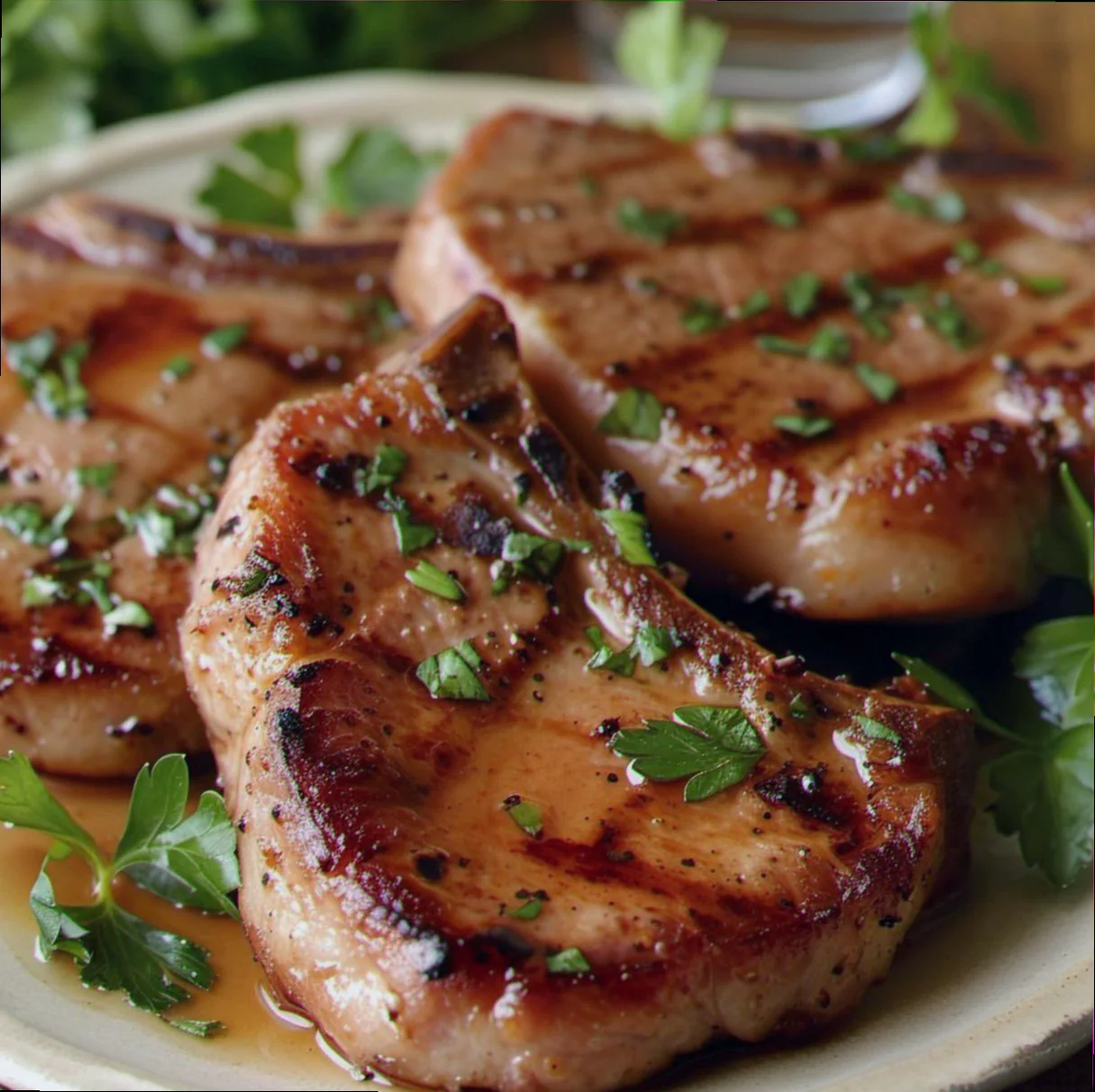
Thinly sliced pork chops, when seared to perfection, undergo a rapid transformation driven by the Maillard reaction. This complex cascade of chemical reactions between amino acids and reducing sugars, fueled by high heat, is responsible for the deep, savoury browning and nuanced flavour development that defines this dish. The inherent leanness of thin cuts means that precise cooking is paramount, as excess heat can quickly lead to undesirable dry textures.
Complete Recipe Overview
| Property | Detail |
|---|---|
| Dish entity | Thin sliced pork chop recipe |
| Cuisine origin | East Asian cuisines (particularly Chinese and Korean) |
| Defining technique | Rapid Searing |
| Hero ingredients | Thinly sliced pork loin, Soy sauce, Garlic |
| Critical ratio | Marinade liquid to pork surface area (approximately 1:4 by volume for optimal coating without oversaturation) |
| Prep time | 15 minutes |
| Cook time | 3-5 minutes at 230°C (high heat) |
| Rest / chill time | 5 minutes rest |
| Yield | 2-3 servings |
| Difficulty | Easy - Requires attention to timing and heat management, but forgiving due to the thinness of the cut. |
Ingredients: Quantities, Roles, and Critical Ratios
The success of thin sliced pork chops hinges on the interplay of a few key components. The marinade, designed to tenderise, flavour, and create a slight crust, is balanced by the inherent qualities of the pork. The critical ratio of marinade liquid to pork surface area is vital; too little liquid and the flavour won't penetrate or coat; too much and the pork will steam rather than sear, negating the desired crisp edges and tender interior. The judicious use of aromatics like garlic and ginger, alongside the umami-rich soy sauce, forms the flavour backbone.
- Pork Loin - 400 grams, thinly sliced (approx. 2-3 mm thick) - Role: The primary protein, providing a tender, lean canvas for the marinade and searing.
- Soy Sauce - 60 ml - Role: Provides salinity, umami, and contributes to browning via its amino acids.
- Garlic - 3 cloves, minced - Role: Adds pungent aroma and sharp flavour that mellows with cooking.
- Ginger - 1 tablespoon, grated - Role: Offers a bright, spicy, and aromatic counterpoint to the richness of the pork.
- Sesame Oil - 15 ml - Role: Contributes a nutty aroma and flavour, and aids in coating the pork evenly.
- Brown Sugar or Honey - 1 teaspoon (optional) - Role: Aids caramelisation and balances the saltiness of the soy sauce.
- Black Pepper - 1/2 teaspoon - Role: Adds a subtle heat and complexity.
- Vegetable Oil or other high smoke point oil - 1-2 tablespoons, for searing.
The Science of the Maillard Reaction in Thin Sliced Pork
The thin sliced pork chop recipe is a masterclass in controlled Maillard browning. When pork, rich in amino acids, meets the high heat of the pan (ideally 150°C to 200°C), the amino acids begin to react with naturally occurring reducing sugars. This intricate series of reactions creates hundreds of new flavour compounds, including pyrazines, furans, and thiophenes, which contribute to roasted, nutty, and savoury notes. For thin cuts, the high surface-area-to-volume ratio means these reactions happen incredibly quickly. The sugars in the soy sauce and optional sweetener further fuel this process, leading to rapid caramelisation of the surface, creating a desirable crispy, flavourful crust. The lean nature of the pork loin means that moisture is lost rapidly, so the window for perfect browning before overcooking is narrow, demanding efficient heat transfer and precise timing.
Method: Rapid Searing at Every Critical Stage
This method prioritizes maximizing surface area contact for rapid, even searing, developing flavour without overcooking the delicate thin slices.
- Marinate - Combine Ingredients: In a medium bowl, whisk together soy sauce, minced garlic, grated ginger, sesame oil, brown sugar (if using), and black pepper. Add the thinly sliced pork and toss to coat thoroughly. Let marinate for at least 10 minutes, or up to 30 minutes in the refrigerator.
- Prepare - Preheat Pan: Place a large, heavy-bottomed skillet or wok over high heat. Add 1-2 tablespoons of vegetable oil and allow it to heat until shimmering and just beginning to smoke. This high initial heat is crucial for immediate searing.
- Sear - First Batch: Carefully add half of the marinated pork to the hot pan in a single layer, ensuring not to overcrowd. Overcrowding will steam the pork instead of searing it.
- Sizzle - Critical Control Point 1: Cook for 1-2 minutes per side, watching for a deep golden-brown crust to form. The sound of the sizzle should be vigorous. Resist the urge to move the pork excessively during this initial sear; allow the crust to develop. If the pork begins to burn rather than brown, reduce the heat slightly and continue.
- Flip - Second Batch: Once the first side is beautifully browned, flip the pork slices and sear the other side for another 1-2 minutes until cooked through and also browned.
- Remove - Critical Control Point 2: The pork is cooked when it is opaque throughout and the edges are slightly crisp. Due to its thinness, it will cook very quickly, likely within a total of 3-5 minutes depending on heat. Do not overcook, as it will become tough. Remove the cooked pork immediately to a clean plate.
- Repeat - Remaining Pork: Add a little more oil if the pan is dry, and repeat the searing process with the remaining marinated pork.
- Rest - 5 minutes: Allow the cooked pork to rest for approximately 5 minutes on the plate. This brief rest allows the juices to redistribute slightly, ensuring maximum tenderness.
- Plate and serve: Arrange the seared pork slices on a serving platter, perhaps garnished with sliced scallions or sesame seeds, and serve immediately.
Cultural and Historical Context of East Asian Pork Preparations
The preparation of thinly sliced pork, often marinated and rapidly cooked, has deep roots in East Asian cuisines, particularly in China and Korea. Historically, these regions have mastered techniques for maximizing flavour and tenderness from various cuts of pork. In China, dishes like "Stir-fried Pork with Peppers" (青椒肉丝, qīngjiāo ròusī) feature thinly sliced pork that is quick-fried, demonstrating an early understanding of how thinness facilitates rapid cooking and flavour absorption. Similarly, Korean cuisine boasts "Bulgogi" (불고기), a grilled marinated beef, but the principle of marinating and quickly cooking thin slices of meat is a shared culinary philosophy. These methods were developed out of necessity and ingenuity, utilizing readily available ingredients and efficient cooking methods to create delicious and satisfying meals.
Variations Across Chinese and Korean Cuisines
- Chinese Stir-fried Pork with Garlic Sauce: This variation often omits the ginger and may include a starch slurry (cornstarch and water) to create a slightly thicker, glossy sauce that coats the pork. The flavour profile leans more heavily on garlic and the savory base of soy sauce, with a quicker cooking time due to less marination.
- Korean-style Thin Pork Belly (Samgyeopsal-gui): While not strictly loin, thinly sliced pork belly cooked over a grill is a beloved Korean staple. The key difference is the fat content, which renders beautifully during grilling, creating a richer, crispier texture. The marinade might include gochujang (Korean chili paste) for a spicier, more fermented flavour profile.
- Vegetarian Adaptation using Tofu or Mushrooms: For a vegetarian version, firm tofu or shiitake mushrooms, sliced thinly, can be marinated and seared using the same technique. Tofu will absorb the marinade well, while mushrooms offer an "umami bomb" of flavour, though their textures will differ from pork.
- Modern Fusion with Spices: Contemporary adaptations might incorporate a pinch of red pepper flakes for a kick, or a splash of rice wine vinegar for added brightness, creating a more complex flavour profile that bridges traditional and modern tastes.
Storage, Freezing, and Reheating Thin Sliced Pork Recipe
Cooked thin sliced pork chops are best enjoyed fresh, but can be stored for convenience. For optimal texture, avoid over-reheating.
- Refrigerator Storage: Store cooled cooked pork in an airtight container in the refrigerator for up to 2 days.
- Freezer Storage: Cooked and cooled pork can be frozen in a freezer-safe airtight container or bag for up to 1 month. While the texture may slightly degrade (become a bit drier), it remains palatable.
- Reheating:
- Stovetop (Recommended): Heat 1 teaspoon of oil in a skillet over medium-high heat. Add the pork and stir-fry for 1-2 minutes until heated through. Avoid prolonged cooking.
- Microwave: Reheat in 30-second intervals on medium power, stirring between intervals, until just heated through. This method carries the highest risk of overcooking and drying out.
Pairing Thin Sliced Pork Recipe: Sides, Sauces, and Drinks
This flavourful pork dish pairs beautifully with steamed white rice, which provides a neutral, absorbent base for the savory juices. For a fresh counterpoint, a simple cucumber salad with a rice vinegar dressing offers bright acidity. A light drizzle of chili oil can add an extra layer of heat and aroma. For beverages, a crisp, dry Riesling or a light-bodied Pinot Noir can complement the pork's flavour without overpowering it. Alternatively, a chilled green tea or a light lager offers refreshing balance.
Answers to the Most-Searched Questions About Thin Sliced Pork Recipe
What temperature should thin sliced pork be cooked at - and how do I know it's done?
Thin sliced pork should be cooked over high heat, ideally around 230°C in a pan. It is done when the slices are opaque throughout and the edges are slightly crisped, typically within 3-5 minutes total cooking time. The internal temperature should reach at least 71°C, but due to the thinness, visual cues of browning and opacity are usually sufficient indicators.
What is the difference between Thin sliced pork recipe and stir-fried pork?
While both involve thin pork slices and cooking in a pan, "Thin sliced pork recipe" as described here emphasizes rapid searing for a crusty exterior and tender interior, often with a marinade as the primary flavour. "Stir-fried pork" is a broader category that can involve thicker cuts, more vegetables, and a sauce that is cooked with the pork, often resulting in a softer texture rather than a distinct sear.
Can Thin sliced pork recipe be made in advance, and does it freeze well?
Yes, it can be made in advance and frozen. Cooked and cooled pork can be stored in the refrigerator for up to 2 days or frozen for up to 1 month. Reheating should be done quickly over medium-high heat to minimize drying out. Some slight loss of tenderness is expected upon reheating, but it remains a delicious option for meal prep.