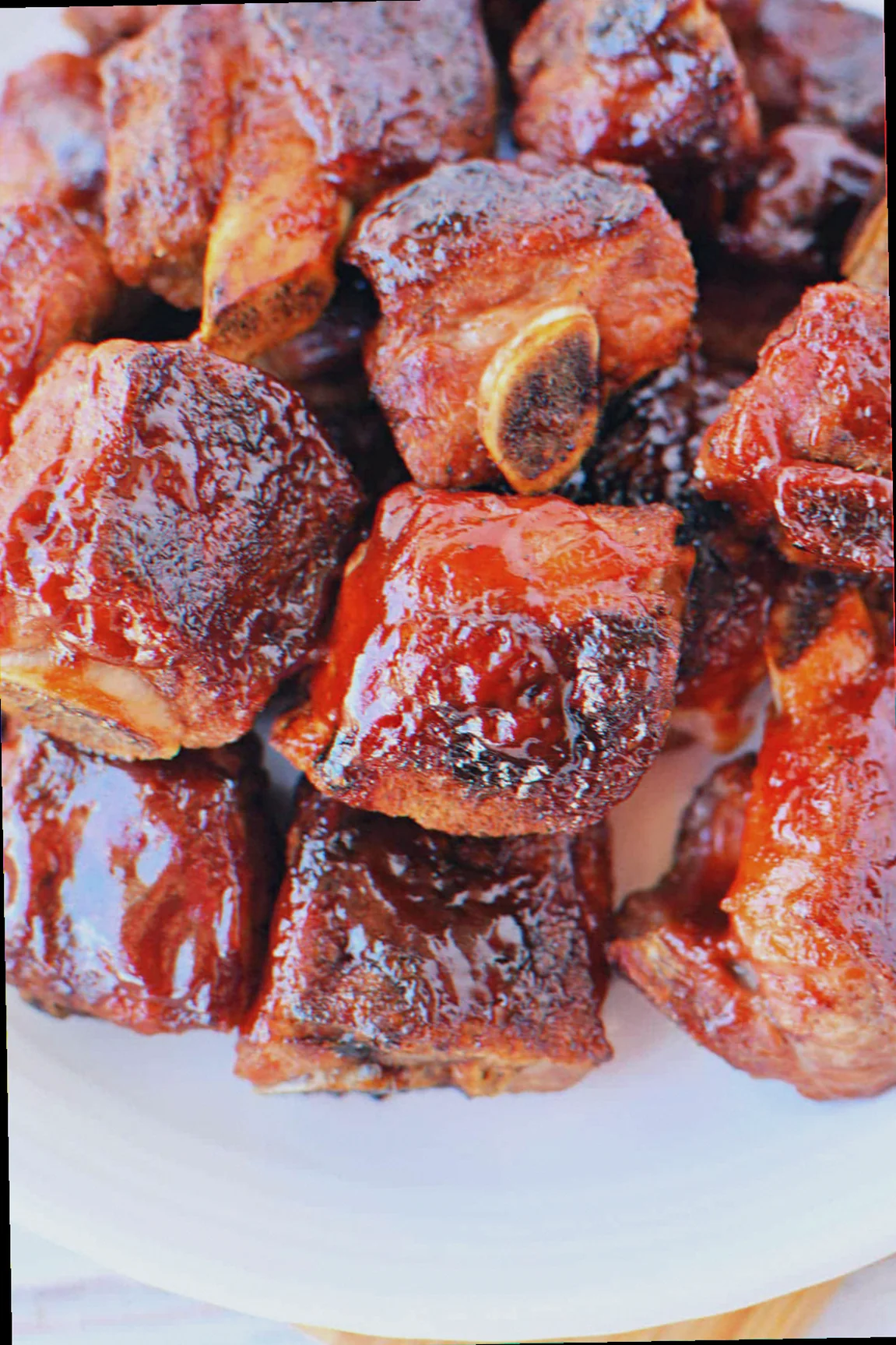
The sizzle of rendered pork fat, the sweet tang of apple cider vinegar, and the satisfying snap of perfectly crisped skin - these are the hallmarks of Riblets, a cherished dish from the Appalachian region of the United States. This recipe, rooted in generations of resourceful cooking, delivers a deeply savoury and subtly sweet experience. Achieving true Riblets requires a careful balance of slow rendering, precise searing, and a touch of patience; mastering these three elements is key to unlocking their full potential.
Quick Reference
| Field | Detail |
|---|---|
| Dish | Riblets |
| Origin | Appalachian United States - Southern American Cuisine |
| Hero ingredients | Pork Shoulder, Apple Cider Vinegar, Brown Sugar |
| Defining technique | Slow Rendering & Precise Searing |
| Texture | Crisp, Rendered, Tender |
| Flavour | Savoury, Sweet, Tangy |
| Total time | Prep: 30 mins, Cook: 3-4 hours |
| Servings | 4-6 |
| Pairs with | Dry Rosé Wine |
| Occasion | Casual Family Meal, Backyard BBQ |
Ingredients - What Actually Matters and Why
- Pork Shoulder (2kg) - 1.5kg, trimmed of excess fat - This is the heart of the Riblets. A well-marbled shoulder provides the rich, savoury base and the fat is crucial for rendering and creating that signature crispy exterior.
- Apple Cider Vinegar (120ml) - 120ml, unfiltered - The acidity of the vinegar cuts through the richness of the pork, balancing the sweetness and adding a crucial layer of complexity.
- Brown Sugar (120g) - 120g, packed - Brown sugar contributes a molasses-like sweetness that complements the pork and helps with caramelization during searing.
- Salt (to taste) - Enhances the flavour of the pork and aids in the rendering process.
- Black Pepper (to taste) - Adds a subtle spice and depth.
- Paprika (2 tbsp) - Adds colour and a hint of smokiness.
- Onion (1 large), chopped - Provides aromatic depth.
- Garlic (4 cloves), minced - Adds pungent flavour.
- Vegetable Oil (2 tbsp) - For searing.
Method: Slow Rendering & Precise Searing Step by Step
Slowly render the pork shoulder until it's incredibly tender, transforming it into succulent Riblets. This process, taking approximately 3-4 hours, is essential for achieving the desired texture and flavour - it's about coaxing out the pork's natural goodness, not simply cooking it.
- Render - Initial Heat: Preheat oven to 120°C. Place the pork shoulder in a Dutch oven or oven-safe pot with the chopped onion and minced garlic. Cover tightly with a lid and cook for 2 hours, checking occasionally to ensure the liquid hasn't evaporated. (Sensory Cue: The pork should feel incredibly soft to the touch.)
- Render - Reduce Heat: Reduce the oven temperature to 93°C. Continue cooking, covered, for another 1-2 hours, or until the pork is easily pierced with a fork. (Sensory Cue: The pork should be a pale pink colour and incredibly yielding.)
- Deglaze - Vinegar Bath: Remove the pork from the pot and set aside. Pour in the apple cider vinegar and scrape the bottom of the pot to loosen any browned bits - this is where a lot of flavour resides. Bring to a simmer and cook for 5 minutes.
- Sear - Initial Sear: Return the pork to the pot with the vinegar glaze. Add the brown sugar, paprika, salt, and pepper. Heat over medium-high heat, searing the Riblets on all sides for 2-3 minutes per side, until deeply browned and caramelized. (Sensory Cue: A rich, dark brown colour and a pronounced caramel aroma.)
- Sear - Final Crisp: Increase the heat to high and sear for a final 1-2 minutes per side, until the exterior is incredibly crisp and crackling. (Sensory Cue: A loud, satisfying crackle as the fat renders and the skin crisps.)
- Finish and plate: Transfer the Riblets to a serving platter. Drizzle with any remaining glaze from the pot. Garnish with fresh parsley (optional).
Authentic vs Adapted: What Changes and What Doesn't
Traditional Appalachian Riblets were born from necessity - utilizing every part of the pig and relying on simple, slow cooking methods. The original recipe likely involved less sugar and a more rustic presentation, often served alongside simple sides like cornbread and collard greens. In this adapted recipe, we've embraced a slightly sweeter profile and a more visually appealing presentation, using brown sugar and a final sear for added crispness. The core principle - slow rendering of the pork shoulder - remains absolutely non-negotiable; that's what creates the fundamental texture and flavour. Adding a commercial BBQ sauce or using a different vinegar would fundamentally alter the dish's identity, moving it away from its Appalachian roots.
Substitutions That Work (and Ones That Don't)
- Pork Shoulder → Pork Butt - Texture/Flavour Impact: Minimal. Pork butt is a similar cut with comparable fat content. Recommendation: Use as a direct substitute.
- Apple Cider Vinegar → White Wine Vinegar - Texture/Flavour Impact: Slight. White wine vinegar is less tangy. Recommendation: Use as a substitute, but add a pinch of sugar to compensate for the acidity.
- Brown Sugar → White Sugar - Texture/Flavour Impact: Significant. White sugar lacks the molasses flavour. Recommendation: Do not use.
What to Serve Alongside Riblets
Riblets pair beautifully with classic Southern sides like creamy mashed potatoes and collard greens. For a more sophisticated pairing, consider a baked sweet potato with a pecan crumble. However, the true champion is a dry Rosé wine - its bright acidity cuts through the richness of the pork, while its subtle fruit notes complement the sweetness of the glaze. A light-bodied Pinot Noir would also work well, offering earthy notes that balance the savoury flavours.
Troubleshooting: Why Your Riblets Went Wrong
Problem: Riblets are mushy. Cause: The pork wasn't rendered long enough. Fix: Increase the rendering time by another 30-60 minutes, ensuring the pork is incredibly tender. Problem: The exterior isn't crispy. Cause: The heat wasn't high enough during the final sear. Fix: Increase the heat to high and sear for a longer period, ensuring the fat renders and the skin crisps. Problem: The glaze is burnt. Cause: The sugar was added too early or the heat was too high. Fix: Add the brown sugar towards the end of the searing process and monitor the heat closely.
Make-Ahead and Storage
The pork shoulder can be rendered 1-2 days in advance. Store in an airtight container in the refrigerator. Reheat gently in the oven at 110°C for 30-45 minutes, or until heated through. To maintain crispness, add a few tablespoons of water to the bottom of the pot during reheating and cover with a lid for the last 15 minutes. You can prep the onion and garlic a day ahead and store them in the refrigerator.
Recipe Questions Answered
What makes Riblets different from pulled pork?
Riblets are distinguished by their incredibly crisp exterior, achieved through a precise searing process, and their more concentrated, intensely savoury flavour due to the slow rendering of the pork shoulder. Pulled pork typically has a softer texture and a milder flavour profile.
Can I make Riblets recipe without a Dutch oven?
Yes, you can! Use a heavy-bottomed pot with a tight-fitting lid. Ensure the pot is oven-safe and can withstand high temperatures. The rendering process will be slightly less efficient, so you may need to extend the cooking time by 30-60 minutes.
How do I scale Riblets recipe for a crowd?
For a larger crowd, increase the pork shoulder quantity proportionally - multiply all ingredients by the desired number of servings. You may need to use a larger pot or multiple Dutch ovens to accommodate the increased volume. Monitor the cooking time closely, as larger quantities may require slightly longer rendering times.