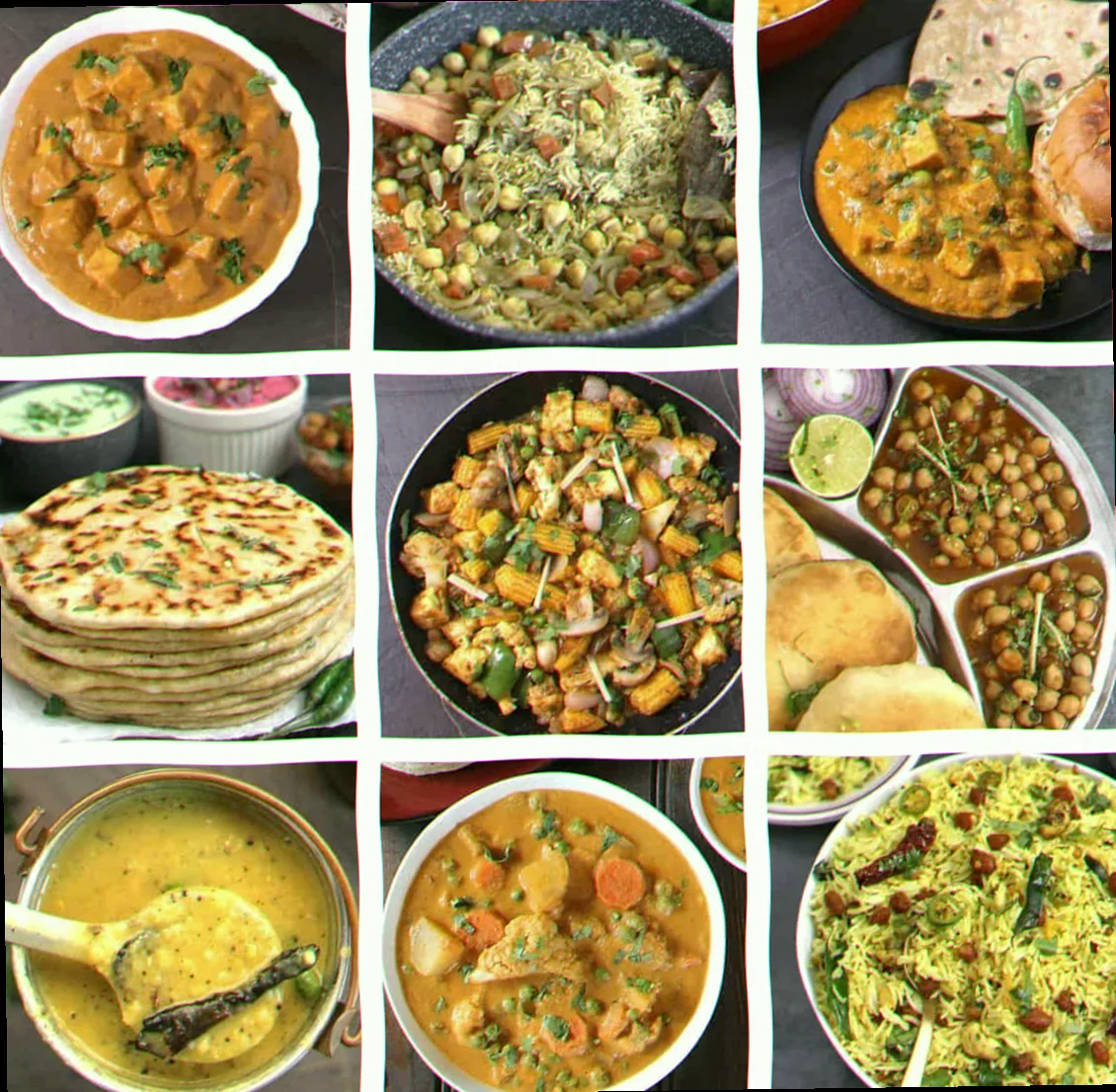
The intoxicating aroma of cardamom, cloves, and ginger swirling through a simmering pot of Dal Makhani, a creamy black lentil dish from the Punjab region of India, speaks to a centuries-old culinary tradition. This dish, a cornerstone of North Indian vegetarian cuisine, relies on the slow, patient transformation of black lentils and kidney beans - a process driven by Maillard reactions and starch gelatinization - to achieve its signature velvety texture and deeply layered flavour. Dal Makhani represents a harmonious blend of rustic simplicity and refined indulgence, reflecting the region's history as a center of trade and cultural exchange.
Complete Recipe Overview
| Property | Detail |
|---|---|
| Dish entity | Dal Makhani |
| Cuisine origin | Punjab, India |
| Defining technique | Slow, overnight simmering |
| Hero ingredients | Black Lentils (Urad Dal), Kidney Beans (Rajma), Butter, Cream |
| Critical ratio | Fat:Lentil Ratio - approximately 1:2 (butter to lentils) |
| Prep time | 30 minutes |
| Cook time | 6-8 hours (slow simmer) |
| Rest / chill time | Minimum 2 hours, ideally overnight |
| Yield | 6-8 servings |
| Difficulty | Medium - requires patience and time, but straightforward technique |
Ingredients: Quantities, Roles, and Critical Ratios
The magic of Dal Makhani lies in the careful balance of ingredients. The black lentils, urad dal, are the workhorses, providing the bulk and a slightly earthy base. Kidney beans, rajma, contribute to the richness and texture. Butter, a generous amount, is crucial for both flavour and achieving the desired creaminess - it's not just a fat source; it carries the flavours of the spices. Cream adds a final layer of luxuriousness and helps to bind the dish. The critical ratio of fat to lentils - approximately 1:2 - is paramount; too little fat and the dal will be dry and lacking in depth; too much and it will be greasy. Other essential ingredients include ginger, garlic, onions, tomatoes, garam masala, and chili powder, each contributing to the complex flavour profile.
- Black Lentils (Urad Dal) - 250g - Role: Provides the base, thickens the dish, and contributes a subtle earthy flavour.
- Kidney Beans (Rajma) - 200g - Role: Adds richness, texture, and a slightly sweet flavour.
- Butter - 150g - Role: Crucial for flavour development through Maillard reactions and creating a velvety texture.
- Heavy Cream - 200ml - Role: Adds richness, smoothness, and helps bind the dish.
- Onion - 1 large (approx. 150g), finely chopped - Role: Adds sweetness and depth of flavour.
- Garlic - 4 cloves, minced - Role: Adds pungent aroma and flavour.
- Ginger - 1 inch piece, grated - Role: Adds warmth and spice.
- Tomatoes - 3 medium (approx. 300g), pureed - Role: Provides acidity and sweetness.
- Garam Masala - 2 tbsp - Role: Adds a complex blend of spices - cardamom, cinnamon, cloves, cumin, coriander.
- Chili Powder - 1-2 tsp (adjust to taste) - Role: Adds heat.
- Salt - to taste
- Water - 600ml
The Science of Butter and Lentils
The transformation of Dal Makhani is a beautiful demonstration of several key food science principles. Firstly, the black lentils, primarily composed of starch, undergo gelatinization when heated in water. As the temperature rises, the starch granules absorb water and swell, creating a viscous gel - the foundation of the dal's creamy texture. Simultaneously, the Maillard reaction occurs between the amino acids in the lentils and reducing sugars (produced during starch gelatinization and from the tomatoes) at high temperatures. This reaction, driven by heat and the presence of amino acids and reducing sugars, is responsible for the development of complex, roasted, and nutty flavours - the hallmark of Dal Makhani. The generous addition of butter further enhances the Maillard reaction, contributing to the depth of flavour and creating a rich, golden hue. Finally, the slow simmering process allows for the flavours to meld and deepen, creating a truly harmonious dish.
Method: Slow Simmering at Every Critical Stage
The core of Dal Makhani lies in its patient, slow simmer - a technique designed to coax out maximum flavour and create a supremely smooth texture.
- Rinse Lentils & Beans - 30 minutes: Thoroughly rinse the lentils and kidney beans under cold water until the water runs clear. This removes excess starch and reduces foaming during cooking.
- Sauté Aromatics - 10 minutes: In a heavy-bottomed pot, melt 75g of butter over medium heat. Add the chopped onion and sauté until golden brown - approximately 8-10 minutes. Add the minced garlic and grated ginger and sauté for another minute until fragrant.
- Add Tomatoes & Spices - 5 minutes: Stir in the tomato puree, garam masala, and chili powder. Cook for 5 minutes, stirring frequently, until the oil starts to separate from the mixture - this indicates the spices are blooming and releasing their aromas.
- Combine & Simmer - 6-8 hours: Add the rinsed lentils and kidney beans, water, and the remaining 75g of butter to the pot. Bring to a boil, then reduce the heat to the lowest setting, cover tightly, and simmer for 6-8 hours, or until the lentils and beans are incredibly tender and the dal has thickened to a luxurious consistency. Stir occasionally to prevent sticking.
- Stir in Cream - 15 minutes: After the long simmer, stir in the heavy cream and cook for another 15 minutes, uncovered, allowing the sauce to slightly reduce and thicken further.
- Rest / Set - 2 hours: Remove from heat and allow the dal to rest, covered, for at least 2 hours, or preferably overnight, in the refrigerator. This allows the flavours to fully meld and deepen.
- Plate and Serve: Serve hot, garnished with a swirl of cream and a sprinkle of fresh coriander.
Cultural and Historical Context of Punjab
The origins of Dal Makhani can be traced back to the Mughal Empire in the 16th century, specifically in the Punjab region of India. Initially, it was a dish prepared by the Mughal nobility, utilizing slow-cooked lentils and creamy dairy products - a reflection of the empire's sophisticated culinary traditions. Over time, it evolved into a staple dish of the Sikh communities, who adopted and refined the recipe, incorporating local spices and techniques. The name 'Makhani' itself translates to 'buttery' in Hindi, highlighting the dish's rich and decadent nature. Today, Dal Makhani is a beloved dish throughout North India, enjoyed during festive occasions, family gatherings, and everyday meals, representing a culinary legacy deeply intertwined with the region's history and culture. The region of the Punjab, particularly the districts of Patiala and ফরিদাবাদ (Faridabad), is renowned for its rich agricultural land and dairy production, both of which contribute to the dish's distinctive flavour profile.
Variations Across Regional Entities
- Rajasthan - This version often incorporates a touch of ghee (clarified butter) and a pinch of saffron, resulting in a slightly sweeter and more aromatic dal.
- Delhi - Delhi's Dal Makhani tends to be slightly thinner and uses a greater proportion of cream, creating a lighter, more delicate texture.
- Vegan Adaptation - Substitute the butter and cream with coconut cream and a plant-based butter alternative. Note: The flavour profile will be subtly different, lacking the richness of dairy.
- Modern Adaptation - Some chefs add a touch of smoked paprika for a subtle smoky flavour, or incorporate a small amount of cashew paste for an even smoother texture. This sacrifices the traditional, slow-cooked flavour profile for a more contemporary taste.
Storage, Freezing, and Reheating Dal Makhani
Proper storage is key to preserving the flavour and texture of Dal Makhani. Store leftover dal in an airtight container in the refrigerator for up to 3 days. For freezing, portion the dal into freezer-safe containers and freeze for up to 3 months. When reheating, thaw overnight in the refrigerator. Reheat gently on the stovetop over low heat, stirring frequently, until heated through. Avoid boiling, as this can cause the dal to separate. Reheating in the microwave is not recommended, as it can result in uneven heating and a grainy texture. Texture changes are acceptable - the dal will thicken slightly upon reheating.
Pairing Dal Makhani: Sides, Sauces, and Drinks
Dal Makhani's rich, creamy texture and complex flavour profile pairs beautifully with a variety of accompaniments. Roti or naan, a soft Indian flatbread, is an essential pairing, providing a neutral base to complement the dal's flavours. A simple onion and tomato chutney adds a refreshing acidity. For a sauce, a dollop of mango chutney provides a sweet and tangy contrast. Finally, a chilled Kingfisher beer - a popular Indian lager - offers a refreshing carbonation that cuts through the richness of the dal, while its subtle maltiness complements the spices. Alternatively, a dry Riesling wine with its balanced acidity and fruity notes would also be a delightful pairing.
Answers to the Most-Searched Questions About Indian vegetarian dinner recipes
What temperature should Dal Makhani be cooked at - and how do I know it's done?
The dal should be simmered at the lowest possible heat, barely bubbling. It's done when the lentils and beans are incredibly tender and the dal has thickened to a luxurious consistency - approximately 6-8 hours. You can test for doneness by tasting a lentil; it should be soft and easily mashed.
What is the difference between Indian vegetarian dinner recipes and Punjabi cuisine?
While Dal Makhani is a staple of Punjabi cuisine, it represents just one dish within a broader culinary tradition. Punjabi cuisine emphasizes the use of dairy products - ghee, cream, and yogurt - and often incorporates richer, more decadent flavours. Indian vegetarian cuisine, in general, encompasses a wider range of regional variations, with each region boasting its own unique ingredients, spices, and cooking techniques.
Can Indian vegetarian dinner recipes be made in advance, and does it freeze well?
Yes, Dal Makhani benefits greatly from being made in advance. The flavours deepen and meld beautifully over time. It freezes exceptionally well - up to 3 months - and retains its flavour and texture when thawed and reheated.