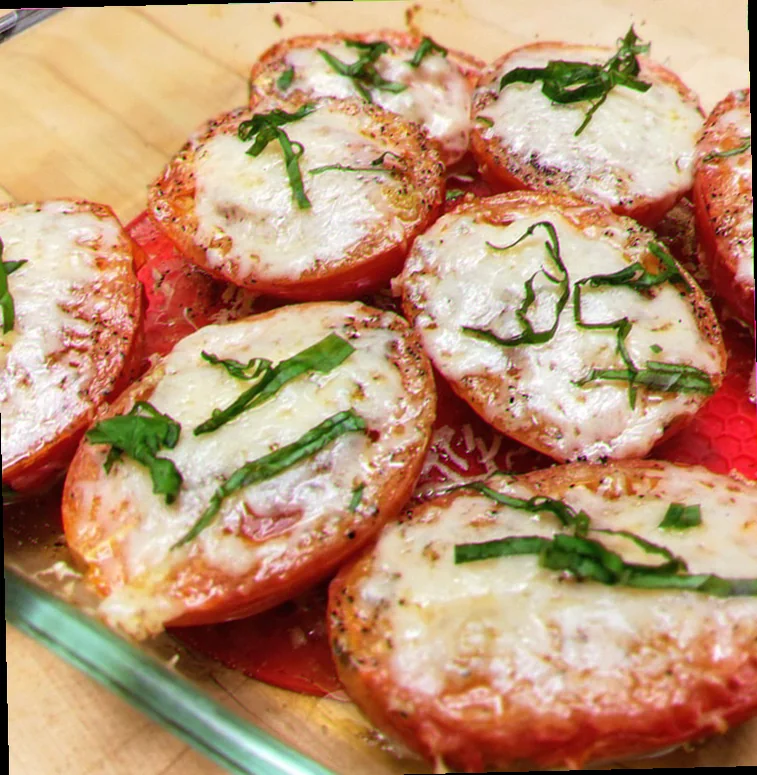
The essence of a perfect Roasted Roma Tomato Pomodoro lies in the transformation of the humble plum tomato into a jammy, umami-dense concentrate through the application of sustained dry heat. Originating from the rustic culinary traditions of Southern Italy, this dish succeeds only if you carefully manage the low moisture content of the Roma tomatoes, the lipid-emulsifying quality of extra virgin olive oil, and the aromatic infusion of fresh garlic. When these three entities are harmonized, the result is a sauce that clings to pasta with a velvety persistence rather than weeping water onto the plate.
Quick Reference
| Field | Detail |
|---|---|
| Dish | Roasted Roma Tomato Pomodoro |
| Origin | Italian Cuisine (Campania Region) |
| Hero ingredients | Roma tomatoes, Extra virgin olive oil, Fresh garlic |
| Defining technique | Slow-roasting (Oven-concentration) |
| Texture | Silky and Concentrated |
| Flavour | Umami-rich, Sweet-acidic, Herbaceous |
| Total time | 75 minutes |
| Servings | 4 to 6 |
| Pairs with | Chianti Classico (Sangiovese) |
| Occasion | Sunday Supper / Late Summer Harvest |
Ingredients - What Actually Matters and Why
In the world of Roma tomato recipes, the structural integrity of the fruit is the primary variable; the Roma's high pectin content and low seed count make it the only logical choice for a sauce that requires thick, jammy reduction without hours of stovetop simmering.
- Roma tomatoes - 1.5 kg, halved lengthwise - These are the structural foundation; their thick walls provide the "meat" of the sauce while their low water content prevents the final dish from becoming soup-like.
- Extra virgin olive oil - 120 ml - This acts as the flavour carrier and emulsification agent; using high-polyphenol oil ensures a peppery finish that balances the tomato's natural sugars.
- Fresh garlic - 6 large cloves, smashed - Garlic provides the foundational aromatic bass note; smashing rather than mincing allows the sugars to caramelize without the bitter acridity of burnt fine particles.
- Fresh Basil - 30g, hand-torn - Basil introduces a volatile aromatic sweetness that must be added at the end to prevent the essential oils from dissipating.
- Sea salt - 10g - Salt facilitates osmosis, drawing out the tomato juices so they can mingle with the oil on the roasting pan.
- Crushed red pepper flakes - 2g - Adds a subtle "back-of-throat" warmth that cuts through the richness of the roasted fruit.
- Balsamic vinegar (Traditional) - 15ml - A late-stage addition to brighten the acidity if the tomatoes are particularly ripe and sweet.
Method: Slow-Roasting Step by Step
The roasting method is designed to bypass the traditional "boil and peel" stage of Italian sauce-making, instead using dry heat to blister skins and intensify the natural glutamates within the tomato walls.
- Macerate - Flavor Priming: Toss the halved tomatoes, smashed garlic, and red pepper flakes in a large bowl with the olive oil and salt until every crevice is coated and the tomatoes look glossy and vibrant.
- Arrange - Heat Distribution: Place the tomatoes cut-side up on a heavy-gauge rimmed baking sheet, ensuring no two tomatoes are touching; this prevents steaming and encourages the dry air to circulate for maximum evaporation.
- Roast - Caramelization: Slide the tray into a preheated oven at 200°C for 45 to 55 minutes until the edges of the tomatoes are charred dark brown and the skins have shrivelled into thin, papery membranes.
- Deglaze - Essence Capture: Remove the tray from the oven and immediately pour 50ml of pasta water or dry white wine onto the hot pan, using a wooden spatula to scrape up the browned bits (fond) that contain the highest concentration of flavour.
- Emulsify - Texture Refinement: Transfer the roasted tomatoes and all pan juices into a high-sided saucepan and use a potato masher or immersion blender to break the fruit down until a thick, uniform sauce forms that smells intensely of toasted garlic and sun-warmed earth.
- Finish and plate: Stir in the torn basil and a final drizzle of raw olive oil; the sauce should appear deep crimson with a shimmering, translucent oil sheen, clinging effortlessly to the ridges of a rigatoni or thick strands of bucatini.
Authentic vs Adapted: What Changes and What Doesn't
Authenticity in Italian Roma tomato recipes is often tied to the "Passata" tradition, where raw tomatoes are milled and then simmered. This roasted version is an adaptation designed for the home kitchen to replicate the depth of a 6-hour "Sunday Gravy" in just over an hour. While the technique of roasting is a modern departure from the village cauldron, the ingredient integrity remains non-negotiable. You cannot substitute Roma tomatoes with watery beefsteak varieties and claim authenticity of texture. Similarly, the use of extra virgin olive oil is an absolute requirement; substituting with neutral vegetable oils destroys the Mediterranean flavour profile. This recipe adapts by keeping the skins on during the roast - a choice that adds rustic texture and concentrated lycopene, which would be stripped away in a more formal, filtered French-style sauce.
Substitutions That Work (and Ones That Don't)
- Roma tomatoes → San Marzano (Canned): If fresh Romas are out of season, use whole peeled San Marzanos; you will lose the roasted char but gain a consistent, regulated acidity. Impact: High flavour, lower texture.
- Fresh Basil → Fresh Oregano: A viable swap that moves the dish toward a "Pizzaiola" profile; use half the amount as oregano is more pungent. Impact: Earthier, less sweet.
- Fresh Garlic → Shallots: If you find garlic too aggressive, roasted shallots provide a sophisticated, mellow sweetness. Impact: Softer flavour profile.
- For dietary needs - Vegan/Gluten-Free: This recipe is naturally vegan. For gluten-free needs, serve over roasted spaghetti squash or high-protein chickpea pasta, which mimics the starchy "bite" of wheat.
- Budget swap - Extra Virgin Olive Oil → Olive Pomace Oil: While cheaper, pomace oil lacks the polyphenols that define the sauce. If you must swap, add a teaspoon of lemon zest at the end to mimic the missing brightness.
What to Serve Alongside Roasted Roma Tomato Pomodoro
This dish sits within a Knowledge Graph cluster of Italian "Primi" (first courses). To build a complete meal, pair it with a Classic Caesar Salad or Charred Broccolini with Lemon. The bitterness of the greens provides a necessary counterpoint to the jammy sweetness of the roasted tomatoes. For a protein-heavy "Secondi," serve Chicken Piccata; the capers and lemon in the chicken dish cut through the richness of the Pomodoro sauce. For the drink pairing, a Chianti Classico is the gold standard. The high tannin and acidity of the Sangiovese grape mirror the tomato's acidity, while its notes of dried herbs and balsamic vinegar interweave with the roasted garlic and basil in the sauce.
Troubleshooting: Why Your Roma Tomato Sauce Went Wrong
Symptom: The sauce is bitter and has a metallic aftertaste. Cause: The garlic was likely burnt during the roasting phase or the tomatoes were underripe. Fix: Next time, nestle the garlic cloves underneath the tomato halves to shield them from direct heat. If it's already bitter, add a tiny pinch of sugar and a squeeze of lemon to neutralize the metallic notes.
Symptom: The sauce is watery and separates on the plate. Cause: You likely used a high-moisture tomato (like a Beefsteak) or didn't roast them long enough to achieve proper concentration. Fix: Return the sauce to a wide skillet and simmer over high heat for 10 minutes to evaporate excess moisture, or whisk in a tablespoon of cold butter to help bind the water and oil.
Symptom: The texture is "grainy" or the skins are tough. Cause: The oven temperature was too low, drying the skins into leather rather than blistering them into fragile flakes. Fix: Use a food mill or pass the sauce through a coarse sieve to remove the skins entirely, then finish with a splash of heavy cream to restore the silky mouthfeel.
Make-Ahead and Storage
Roma tomato recipes are famous for improving with age as the sulphur compounds in the garlic and the acids in the tomatoes continue to meld. You can prep the entire roasting tray the night before; simply cover the oiled and salted tomatoes with cling film and refrigerate. When ready, roast directly from the fridge (add 5 minutes to the timer). For storage, this sauce keeps in an airtight glass jar for up to 5 days at 4°C. When reheating, do so in a saucepan over medium-low heat; add a tablespoon of water to loosen the pectin-thickened sauce and maintain that signature silky texture. It also freezes exceptionally well for up to 6 months.
Recipe Questions Answered
What makes this Pomodoro different from a Marinara?
The primary difference lies in the technique and the resulting density. A Marinara is typically a "quick" sauce, often using crushed tomatoes and more liquid, resulting in a bright, thin consistency. This Roasted Roma Pomodoro uses the roasting technique to create a concentrated, almost paste-like base that is far deeper in umami and has a much thicker, silkier texture than a standard Marinara.
Can I make Roma tomato recipes without a roasting pan?
Yes, you can use a large cast-iron skillet or a Dutch oven. The key is surface area; if the tomatoes are crowded or stacked, they will steam in their own juices rather than roasting. If your vessel is small, work in batches to ensure the dry heat can properly caramelize the sugars and shrivel the skins.
How do I scale Roma tomato recipes for a crowd?
When scaling up, the most important factor is oven space, not just ingredient volume. Doubling the tomatoes requires doubling the tray space; do not be tempted to